Making slight changes to your lifestyle can have a significant impact on reducing your carbon footprint. Here are some simple steps you can take to reduce your carbon footprint and help protect the environment.
Reduce your energy consumption. Turn off lights and electronics when not in use and use energy-efficient light bulbs. Unplug appliances when not in use and use a power strip to easily turn off multiple devices at once.
Reduce your water consumption. Take shorter showers, turn off the tap when brushing your teeth, and use a bucket to collect water for watering plants.
Reduce your waste. Reuse items whenever possible and recycle or compost items that can’t be reused. Buy items with minimal packaging and avoid single-use items such as plastic bags and straws.
Reduce your transportation emissions. Walk, bike, or take public transportation whenever possible. If you must drive, carpool, or use a hybrid or electric vehicle.
Buy local and organic. Buying local and organic produce reduces the amount of energy used to transport food and supports local farmers.
By making small changes to your lifestyle, you can reduce your carbon footprint and help protect the environment.
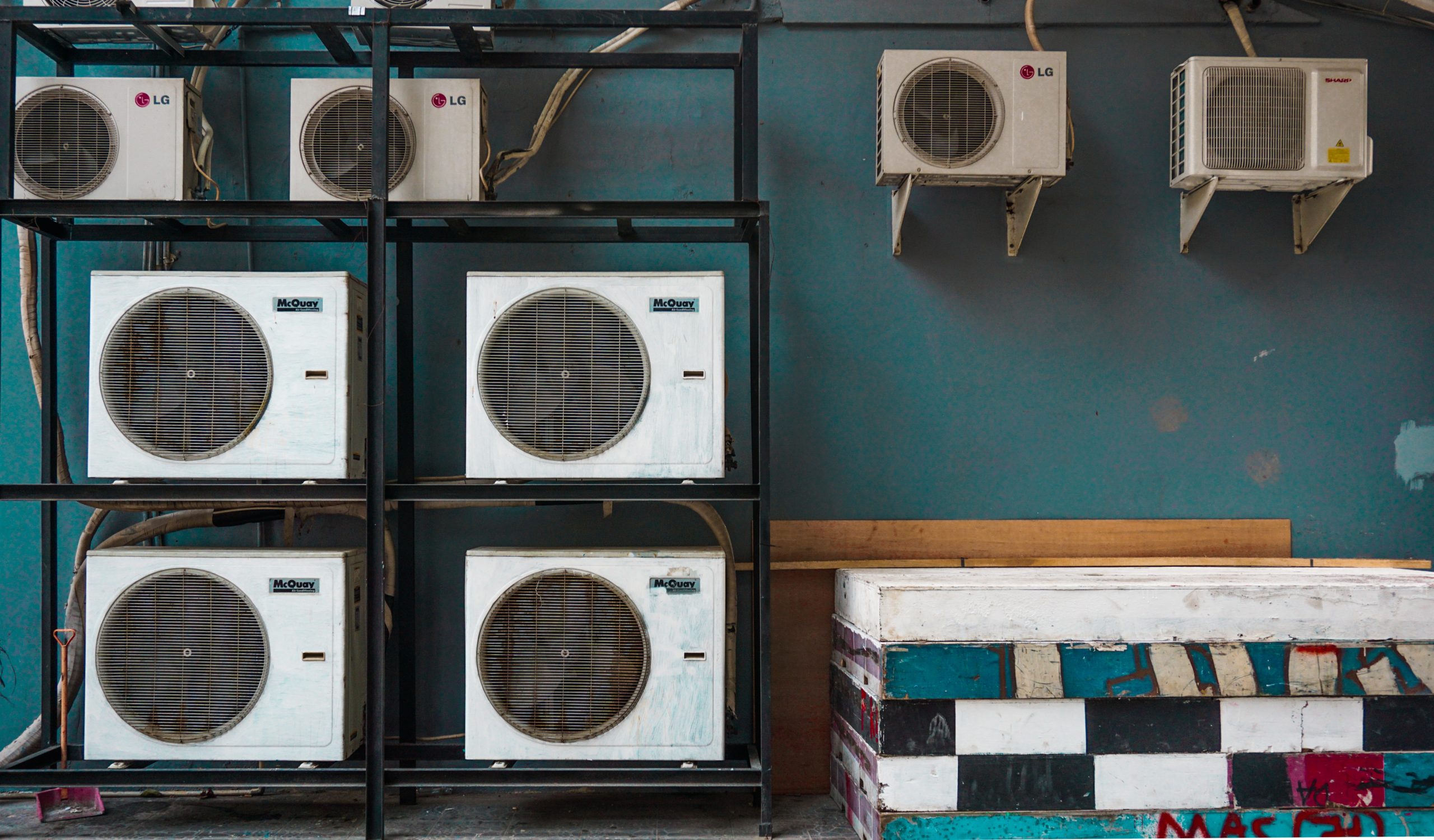
Numerous proprietors of cafés, retail locations, places of business, and stores are confronting a huge decision today concerning their HVAC frameworks. Is it more practical to do an HVAC retrofit on your maturing, wasteful framework to get it back into prime working condition or would it be a good idea for you to supplant it with a spic and span high-productivity unit? Sadly, there is no simple response to the HVAC retrofit question nor is there a one-size-fits-all arrangement. Every entrepreneur should go with their own choice in light of the remarkable attributes of their business, their HVAC gear, and their funds.
Luckily, Taper can give data and the ability to assist with directing that dynamic cycle. By impartially illustrating the benefits and disservices of every choice for the singular entrepreneur, Taper can introduce a fair examination that will suggest the decision that offers the best advantage to your specific business. Now and again, a decision may not exist since retrofits must be performed on unambiguous sorts of HVAC hardware; in different cases, the gear might be old to such an extent that new parts are presently not accessible. Tightens energy effectiveness experts can decide whether your hardware is fit for being retrofitted and, provided that this is true, can assist you with choosing if retrofitting is the better decision.
An entrepreneur gauging the issue of retrofit versus substitution should consider various elements with maybe the most significant being:
The expense of every choice
The energy reserve funds delivered
Disturbance to business exercises
Business HVAC hardware for the most part has a future of somewhere in the range of 15 to 30 years, contingent upon the brand of the gear, the environment in which it’s utilized, and the way that well it is kept up with. In any case, regardless of how well it is kept up with, it will, at last, must be supplanted. In basically all cases, the expense of a full substitution will be more prominent than that of a retrofit. The differential will change in light of the sort and size of the hardware, the idea of the business, and the actual qualities of the structure. Nonetheless, a retrofit should frequently be possible for a portion of the expense of a full substitution while accomplishing a similar aftereffect of further developing effectiveness and diminishing energy bills.
As HVAC frameworks age, they lose proficiency, perform less really, and frequently require more help calls. The outcome is higher electric and fixed bills for the entrepreneur and less solace for workers and clients. Furthermore, propels in HVAC innovation throughout the last ten years make even the best frameworks introduced at least a long time back basically out of date. A maturing HVAC framework can benefit extraordinarily from the implantation of innovation. Truth be told, that is the meaning of a retrofit: Integrating new parts into a more established framework.
Retrofitting can be a more savvy choice to full trade for further developing an HVAC framework’s proficiency and execution. The expense of a full framework substitution can plague. It is a significant capital cost for most organizations that frequently should be planned for well ahead of time. Albeit utility and government energy effectiveness projects might offer appealing funding choices for new high-productivity HVAC frameworks, it requires the entrepreneur to stray into the red to manage the cost of the update. The substitution of an HVAC framework may likewise rival different needs for a business’ capital that might greatly affect the procedure of the organization, similar to another inside plan for a retail location or new cooking gear for an eatery.
The expense of a substitution HVAC framework can’t be estimated exclusively in that frame of mind of the gear. As an entrepreneur, you should know how a significant remodel to your environment control framework will influence your capacity to lead the business during the substitution cycle. Can your business remain open while the old gear is destroyed and taken out, and another HVAC unit is introduced? Might your business at any point work without intensity or cooling, and for how long? Are there well-being or dangers implied in having workers or clients in the structure without appropriate temperature control or ventilation? Losing client deals because your business is shut or losing efficiency because your representatives can’t work are costs that should be added to the expense of an HVAC substitution.
The area of the HVAC framework likewise presents contemplations in the retrofit versus substitution banter. A roof framework, for instance, may require the rental of a crane to eliminate the framework from the housetop and derrick the new unit into place. A cellar framework might need to be destroyed piece by piece – and the new framework introduced the same way – to explore the restricted paths and entryways in a structure’s lower levels.
Organizations change after some time – they develop bigger; they add representatives; they move things around; they change their activities, hours, and cycles. The fact of the matter is that the HVAC framework which was unmistakably fit to how your business worked during the 1990s may not be as reasonable today as increments, redesigns and different changes to your business adjust the warming and cooling needs inside spaces. For instance, a region that had whenever been utilized for stockpiling may now be workplaces, expecting changes following temperature control and wind stream. Retrofitting your HVAC framework offers you the chance to adjust your framework to your business’s evolving needs.
Retrofitting additionally stays away from the allurement that entrepreneurs might need to just supplant their structure’s old HVAC framework with the very same model since they’re comfortable and OK with the gear. This sort of in-kind substitution can be the simplest thing for an entrepreneur to do however doesn’t perceive that adjustments of the structure like those prominent above might put forth the defense for the establishment of a framework that can adjust to those changes.
By the day’s end, however, the ideal outcome is amplified energy investment funds. Whether it’s a retrofit or a full substitution, the choice that offers the best decrease in energy utilization for every dollar contributed is the choice that will convey the best outcomes for your business. Also, since refunds for proficiency redesigns depend on projected energy reserve funds, the discount you get won’t be impacted by the technique you decide to deliver those investment funds.
Warming and cooling address the single biggest energy cost for some organizations — and changing the gear that controls temperature and wind stream all through the business can be a costly recommendation. At the point when choices are free on how best to accomplish the most extreme energy investment funds, the specialists at Taper can be relied upon to give an objective investigation of those choices and suggest the one that offers the best advantage to your business.
Energy is very essential. Every day, human beings depend on it for both work and relaxation. The superiority of a person’s lifestyle relies on it is very abundant. Without it, there will be no way for people to cook the food appropriately, light up the place at night without using candles, make use of machines, or even drive cars.
Efficient Energy:
Efficient energy use or basically called energy efficiency is using less energy to deliver the same level of energy service. Isolating a home is one good example of energy efficiency. Insulating a home permits it to use less heating and cooling energy to attain and retain a relaxed temperature. Improving home energy efficiency offers a lot of benefits. One thing is that energy efficiency decreases electricity feasting and supports saving money.
Switching to energy saving does not only save money on your bills it also aids the environment by guarding it. It also provides luxury at home.
Green Efficiency:
“Green”, “energy efficiency”, and “sustainability” are common terms these days. It looks like people everywhere are doing what they can to lessen their energy overheads and minimize their influence on the environment.
Home Automation:
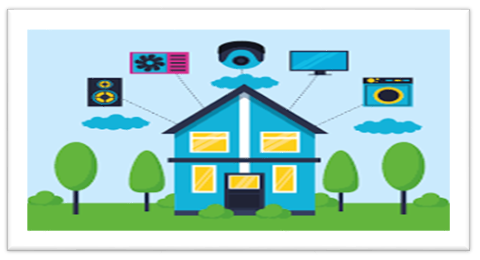
Home automation permits homeowners to become improved factors of the earth by adjusting the major systems in their homes so that there is less energy waste. Home automation allows you to convert your normal home into a smart home. Improvements in technology give homeowners isolated access and automatic control over several devices, systems, and appliances in their homes. With the push of a button, you can control your lights, HVAC system, safety system, appliances, audio/video system, and more. Home automation provides you the command to control how much energy you are spending although you are home and absent.
Many families are observing refashioning and renovating their homes to be more energy efficient and maximize inclusive cost reductions. New windows and solar panels are measured as good choices, but an alternative choice is growing in attractiveness. Radiant barriers are a choice to reproduce heat from being fascinated in the home.
Why does energy efficiency matter?
Home energy efficiency development matters and should be destructively followed because of its clear job create prospective its long-term feasibility as an emerging building performance industry, and its growing significance in the drive to lessen greenhouse gases. The existing job market is clearly in need of a ‘shot in the arm.’ There is a slight doubt that energy-efficient building development has the touchy job creating potential that is desirable now to support right this economy.
What is Energy Use Intensity?
Energy use intensity (EUI) dealings a building’s energy efficiency. It is stated as a purpose of the building size by detecting annual energy usage per square foot of your building. Just put, it can be calculated by distributing your total energy consumption for the year by the total floor area of your building.
Types of EUI:
Here are two types of EUIs: the site type and the source type.
Site Type:
The site type EUI is used to measure the quantity of energy consumed in a building.
Source Type:
Source type EUI signifies the total amount of energy used to run a company and its procedures; this contains energy used for delivery and moving processes.
How to compute for EUI?
Nowadays we have well-known that EUI is energy use per square foot per year, it is time to study how to figure it out. Compute the EUI by separating gross energy consumed in a year, stated in kilowatt-hour or kilo-British Thermal Units (BTUs), over the total square material of the building.
The number of occupants – EUIs are measured using the total annual energy ingestion and the floor area of a building. Amongst two related buildings with a similar floor area but an altered number of occupants, the building with the advanced number of occupiers would have a higher EUI Value.
How does EUI Improve Energy Efficiency?
EUI regulates whether your authentic annual energy consumption exceeds the energy consumption necessary for the size of your building and its occupants. It can be used as a model when enumerating the amount of energy you should decrease.
EUI indicates you understand your energy presentation improved. Even with just simple knowledge of EUI, you can use it to associate the energy efficiency of buildings related to yours and regulate areas where you can still make enhancements.
Tips to improve energy efficiency:
Here are the tips to improve your home energy efficiency:
Lighting and machines such as kettle, flat iron, television or washing machine, demands high power and so it also charges a lot of money. That’s why it is essential to be responsible and sufficient in doing small things such as switching off the lights whenever you leave the room or avoiding using high-powered machines if not truly essential.
Windows:
Numerous types of windows are now planned to role as energy-efficient. These windows are made of materials that are more long-lasting. Some have multiple coats.
Ventilation
Another way is to advance the quality of air circulating around the home. Set up ventilation that pumps up fresh air for extreme relaxation. This will significantly expand the home’s energy efficiency.
Insulation:
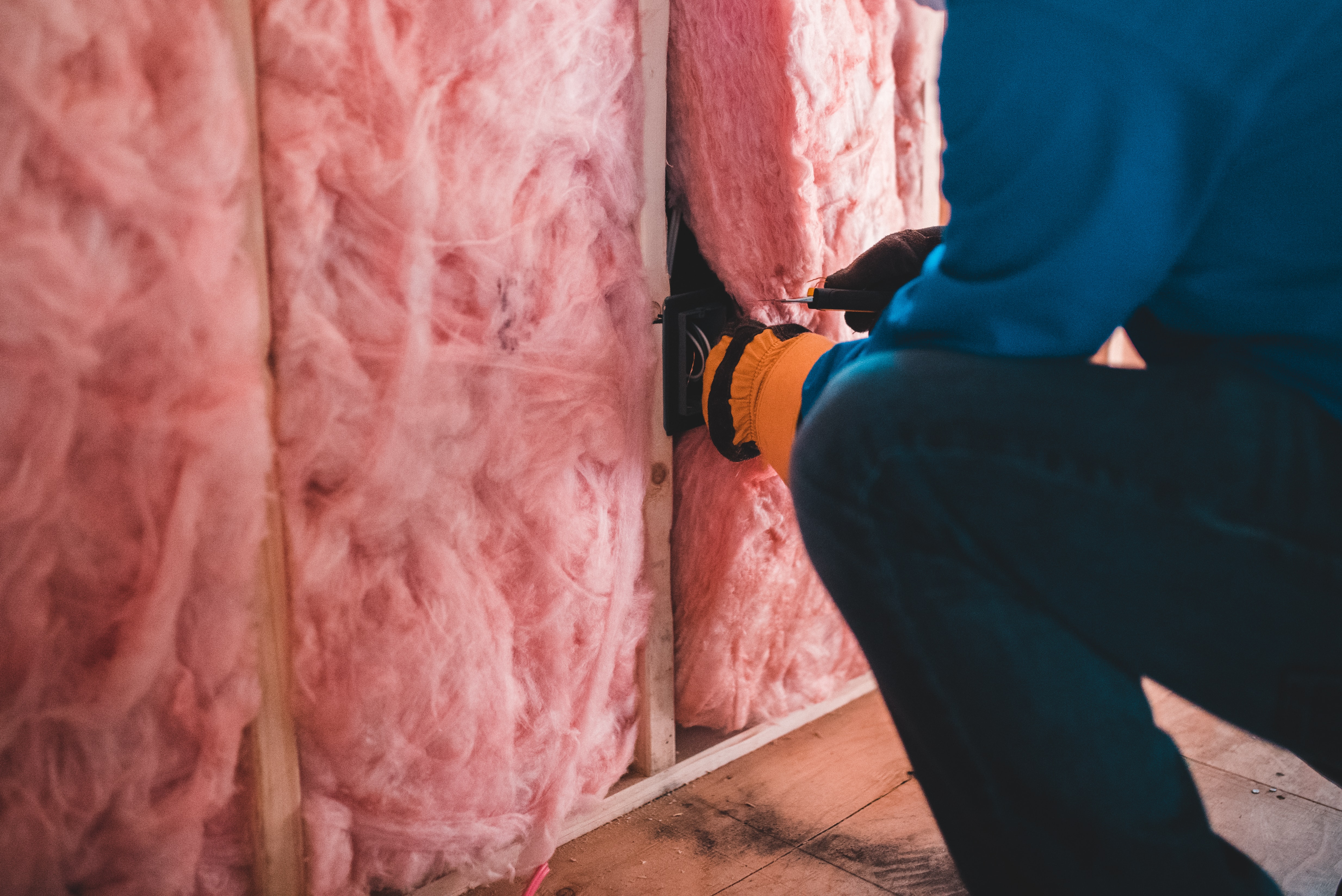
Evaluate the insulation system’s situation in the different parts of the house. Make sure that the floors, ceilings, and the basement walls, as well as the external walls, are correctly insulated. Lighting:
Discover methods to lessen the use of lighting energy. Make use of dimmer switches and occupancy sensors. Change luminous bulbs with compact fluorescents, which save more energy.
Maximize Appliance Use Value:
Move the washing machine into ‘half load spin’ when washing a smaller number of clothes. This will stop extra energy used in a fast spin anticipated for heavy loads.
Wash dishes in the dishwasher because it protects more water than washing them by hand. Set up a clothesline where clothes can be air-dried instead of consuming the dryer.
Solar Heating:
Have solar panels fixed on the roof to capture the heat of the sun and generate a solar water heating system? Energy can be expected from indirect sunlight even through cloudy weather. This can proficiently change the electricity or gas to be used in boiling water.
This will not only help the environment but will also greatly save fuel.
Carbon Savings:
Take steps to decrease carbon footprints and save a lot of money. Some procedures are relatively easy to do. Turn off electrical applications at night. Release the charger of the mobile phones. Recycle glasses, plastics, and paper. If possible, use a bicycle or walk instead of using a car.
Containing warm and cold air within the occupied rooms or improving insulation:
– Close curtains to stop air from escaping.
– You can increase heat containment by using insulating paints.
– When you sleep, make use of thicker clothes and blankets.
Prevent Air leaks:
– Advance weather stripping. Appropriate sealing of windows, doors, and trunks stop air to escape from the radiators.
– If there is no so momentous human activity, but 1 or 2 people occupy the room, light up acute areas of the home only.
– Use energy-saving bulbs like dense fluorescent.
– Home Improvements:
– Make use of renewable energy procedures like solar panels.
– Fix light dimmers to adjust light depending on the time of day.
– Make use of plants for rising shading.
– Machines should be changed when worn out or should be properly retained.
Do Not Practice Heating and Air Conditioning Concurrently
For improved energy efficiency, implement control systems with default settings that are perfect for the building, which do not function heating and cooling systems concurrently and can totally close part of the distribution circuit. Hence, one can use time switches to switch on and off HVAC systems at assured times of the day, such as before and after the start of a shift, programming in for public holidays, all of which go into decreasing annual running time. Smart time switches are available that work out the best operating period and condense the operating time meaningfully.
Avoid Inadequate Use of Heating Systems with the Following Tips
In the case of buildings with commercial, administrative, or industrial activities, the temperature should not cross 20°C to 22°C inside the rooms. Hospitals and health centers have advanced temperature settings and gymnasiums and sports centers have conceivable colder ambient temperatures.
Retain a check on the opening of windows (both in cold and hot weather) or have your heating or cooling systems reliant on closed windows.
Conclusion:
Insulation is an appreciated investment. If you participate in the right product and you have professionals put it in, you will see important savings on your energy bills. You can feel good about making this investment, too. You may succeed with an energy credit or you could find that the cost of it is far less expensive than you consider. The right product, connected appropriately could even help you to save money (and pay for itself) in the long term. It may be just the right choice for your home’s long-term maintenance and upkeep too.
R-Value is the rating framework used to grade protection items or a material’s protecting properties. The “R” means “opposition” and alludes to the obstruction a material needs to warm stream or temperature conduction. At the point when an item or home has a high R-Value, this implies it is all around protected.
What Does R-Value Mean in Insulation?
The fast solution to the importance of R-Value is that it is an estimation, or rating, which works related to a material’s warm opposition, or its capacity to oppose heat move through conduction.
That answer wasn’t fast by any stretch of the imagination and some pieces should be a better-made sense of before we push ahead.
Warm obstruction is the capacity to oppose heat move or misfortune through conduction, and that implies coming into contact with a warm or hot material.
Consider it sitting on a virus seat. Fundamentally, while the chilly on your base could require a very long time off your life, the intensity of your body moves to the cool metal. This is conduction.
What amount of the Highest R-value Insulation Do I Need?
Presently initially, the protection appraisals above could be somewhat aggravating, so remember those are the per inch R-Values.
How much protection you not entirely set in stone by the environment zone you live in. A colder state will require a higher R-Value and an expression that will in general be hotter won’t require as much protection.
The U.S. Division of Energy utilizes an uninsulated loft for instance and it is an extraordinary spot to begin.
States like Florida and portions of Texas would just require an R-30 to R-49 in an uninsulated storage room. States that will generally be colder like Michigan or Wisconsin would require between R-49 to R-60 or higher.
Since it has become so undeniably obvious what’s required, you’re most likely considering how you arrive, and this is true when the most elevated R-value protection discussion starts.
Conventional protection, similar to fiberglass and cellulose, can accomplish a higher R-Value since you can twofold and triple up the material and organization to hit the numbers you want.
While you’re discussing splash froth, it is quite difficult and I will completely make sense of that in one minute. By all accounts, you would think the prescribed 6-to 10-creeps of open-cell splash froth contingent upon where you reside or 5-crawls of shut cell shower froth on the rooftop deck is simply going to give you an R-Value of around R-21 or R-30 separately, making shower froth seem to have lower protection evaluations with regards to R-Value.
Before we do that profound jump into whether the most noteworthy R-Value implies the best protection, we should discuss a few factors that influence the protection R-Value.
What Impacts Insulation R-Value?
R-Value isn’t permanently established, importance some things can influence that number bringing down it as well as basically making your protection inadequate.
At the point when you add protection, you don’t anticipate that cool temperatures should make it lose R-Value, however, that is the thing that happens to fiberglass. Investigations have discovered that as the temperature plunges under 32 degrees, fiberglass starts to lose R-Value. As the temperature keeps on dropping, so does the R-Value which can be a genuine issue with regards to energy effectiveness and solace.
Something else that can bring down the R-Value of fiberglass, as well as cellulose is if both of the materials get wet. The two materials hold that dampness, which brings the capacity down to protect as well as prompts the development of form.
How fiberglass, cellulose, froth board, or even splash froth is introduced can likewise affect their singular R-Values. This is since, supposing that the material is introduced inappropriately, you’re taking into consideration heat misfortune through convection, which is air development.
Assuming there are holes with no inclusion or the material doesn’t fit flawlessly and equitably where it is introduced, then space has been made for air development. These holes can likewise be made in conventional protection materials over the long run as both fiberglass and cellulose are known to move, settle, and hang over the long haul.
Regardless of whether appropriately introduced cellulose and fiberglass are inclined to wind stream, that implies that cold or hot air you’re attempting to keep out of your home can in any case travel through the two materials. There is one protection choice however that disposes of that air development.
Does Highest R-Value Mean the Best Insulation?
Do higher R-Values mean the material you’re thinking about is the most ideal choice for your home?
In no way, shape, or form, and here’s the reason.
There is something else to consider while purchasing new protection and it comes down to R-Value as opposed to making an air seal.
Indeed, the code could call for R-49 in your loft, and shower froth doesn’t hit that number at suggested profundities. Be that as it may, what it can do, whether it’s an open-cell or shut cell, is make an air seal.
Froth is the main protection choice that makes that air seal, yet presently you’re most likely pondering code and that is great.
You would rather not attempt and twofold and triple how much froth you introduce because you just need around 2-crawls of shut cell or 3-creeps of open-cell relying upon the item to make that air seal. I can read your mind, and indeed, I said we suggest more than this on the storage room rooftop deck, however that is to likewise make a more grounded warm hindrance. Heat rises and you need to ensure that the warm hindrance is set up even with the air seal.
Heaping on crawls of shower froth is a misuse of cash as it lessens your return. When you make the air seal, you will not have any more profit from speculation by adding more froth. This graph improves at showing that I can make sense of it.
The following thing you’re probably believing is about that protection code.
The thing is shower froth can passcode without hitting those R-Value numbers and all that ultimately matters is the way it performs. Reviewers don’t blindly believe the froth protection worker for hire, yet they in all actuality do take the word science.
The protection worker for hire needs to demonstrate to the overseer that the froth’s presentation makes an air seal, has a matured R-Value, and a few different factors. Demonstrating all of this is finished by taking all of the protection information, room congregations, and so forth, and placing them into a program like REScheck or HERS Index.
Both of these projects test the presentation in light of the information given and give a pass or bomb that the work for hire can then provide for the assessor.
If you don’t hear much about resource-efficient houses or becoming green, it doesn’t imply the trend of green homes or resource-efficient homes has slowed. Instead, the movement of smart houses and resource-efficient homes has become commonplace, and many increasingly believe that living in a healthy living environment is a must.
If you want to live a more sustainable lifestyle and are interested in resource-efficient or smart houses, this complete guide is for you. Remember that there is a distinction between smart houses and resource-efficient homes. So, first, we’ll go over resource-efficient homes in-depth, then look at how they vary from smart homes.
What Are Resource-Efficient Homes?
As the name implies, you utilize the least amount of resources, such as water and electricity. You are attempting to save money on operating expenditures in this manner. However, if you live in a resource-efficient home, you do not have to sacrifice your standard of living. It implies that you establish plans to live in an ecologically sustainable and appropriate manner for your requirements and make some modifications to help you save money.
Everyone wants to build resource-efficient homes in this inflationary period. The definition of these energy-efficient dwellings, on the other hand, is not so straightforward. Nowadays, many people are interested in high energy resource-efficient homes, which are the facilities where technological, architectural, and building expertise comes into play. It indicates that low-energy-consumption materials are employed in the construction of such structures. Building materials with low embodied energy are derived from sustainable sources, guaranteeing that no toxic elements are present.
How Are Energy Efficient Homes Constructed?
Maintaining a high degree of comfort while ensuring that the home is as energy efficient as possible takes a great deal of skill and rigorous study and understanding of how the substances should be integrated and modified in the structure.
Furthermore, builders and architectural professionals strongly emphasize architectural design and regulation. This is reflected in technical suggestions and legislation. By 2020, all structures must meet the norms of a near-zero-energy building, according to European building energy efficiency regulations. It is defined as an exceptionally energy-efficient construction. The minimal minimum of energy required for operation and a high proportion of renewable energy to create the necessary electricity.
Five pillars of resource-efficient homes
To better grab the concept office or efficient homes, you need to understand the fundamental pillars.
Heating System
Surface heating equipment is preferable if you want to attract the most heat while utilizing the least amount of heat energy. This equipment guarantee that the majority of the heat energy is instantly absorbed into the floor or ground, preventing the residents from squandering it. Furthermore, these appliances meet the bare minimum of heating energy requirements.
Thermal Wrap
The thermal wrap of the house protects the dwelling from cold, summer, heat, wind, and rain, much as garments protect humans from sunshine, severe weather conditions, and external harm. The home is insulated by a thermal blanket during construction, which preserves the ideal atmosphere and assures a high degree of energy efficiency. As a result, residents of resource-efficient homes may enjoy excellent living comfort and a tranquil energy-efficient atmosphere.
As a result, every well constructed, resource-efficient home would have a thermal cover to protect it from harsh weather conditions while still maintaining the inside energy-efficient atmosphere.
Joinery
Nowadays, people prefer to spend most of their time indoors, where they have access to electronics and other appliances and all things that enhance their interior experiences. As a result, people need delightfully bright living areas and wish to make provisions for this. The only way to ensure a bright, energy-efficient atmosphere is to build massive glass surfaces. This method maintains energy efficiency while enabling free solar energy to enter. It’s also a good option if you wish to keep UV rays outside and benefit from passive room heating in the winter.
Ventilation System
A properly-ventilated home is beneficial for air heat recovery and maintaining a healthy indoor atmosphere. As a result, it is an integral part of the zero-energy construction process. If you also want to keep your home in good shape and make it as resource-efficient as possible, you should pay special attention to the ventilation system. It has become a required component of all homes and can aid in achieving the energy efficiency aim.
Solar Energy
Although there are certain advantages to passively heating a building, when you obtain direct solar energy, harness it, and use it, you can ensure that your home’s energy efficiency requirements are met precisely. Passive building heating, which may be accomplished through glass surfaces, is also essential. However, solar technology has advanced significantly in recent years. We can witness the rapid growth of solar power plants, solar panels, and limitless and free solar energy resources, which can create electricity and meet all of your energy demands cost-effectively.
Smart Homes
Remember that many people confused the word smart home with the energy-efficient home. However, the terms are different. Smart homes are usually the technologically-advanced homes where all the appliances such as televisions, computers, air conditioners, lights, and heating systems are controlled remotely using smart devices.
However, in most cases, smart homes are also energy efficient as they will reduce carbon footprint by controlling power usage and maintaining water conservation.
Final Verdict
Do you want to make your home a smart home, a green home and resource-efficient home simultaneously? Then it would help if you considered maintaining a healthy living environment with maximum involvement of natural components like solar energy, green plants along with the installation of energy-efficient construction materials during the construction and designing process.
Both of the above-mentioned living styles will help you lower your carbon footprint and contribute to a cleaner environment. However, in the long run, it is far more prudent to seek a certified residence. Because independent raters have already given it a rating, as a result, you’ll never have to worry about putting your confidence in various profit-driven businesses. Zero-energy construction is the way of the future, so make sure you’re a part of it!
Even though you may have your own gardens started, there can always be ways to improve your plants’ health. Gardening is a great way to source your own food on a budget. It is also an excellent way to enjoy time outdoors. If you have never gardened before, doing a little extra research can make a difference in how well your plants will do. Follow these steps to help your garden succeed!
Start Inside
Though temperatures are rising, evenings may still be chilly during the spring. Starting your vegetable growing indoors will protect them. Growing your seedlings indoors also gives them time to get stronger before facing harsh conditions.
Choose The Best Location
Before planting your garden, you will want to find out what spot in your yard is best for your beds. You will likely want a location where there is direct sun for at least eight hours a day.
Install Raised Beds for Your Seedlings
Once you’ve found the best location and your seedlings are growing, you will want to prepare your garden for your plants. Using raised beds allows for a deep soil stack for further root growth and makes planting easier. Here are some tips for easy installation.
Add Pollinating Attractions & Bug Repellent
Bugs aren’t always bad. Bugs that will pollinate your flowering veggies can be highly beneficial, so it is always helpful to plant flowers that attract pollinators. Growing herbs like mint and lavender will repel nasty bugs and other animals.
Proper Watering is Key
Properly watering is a vital part of having a plentiful garden. Spending the money on a drip irrigation system can save you time, as it slowly soaks your plants without over-watering them. If that doesn’t sound like something you’re interested in, make sure you have a consistent watering schedule.
We hope that these steps were helpful, and that you can enjoy your labor’s literal fruits (and veggies!) later this summer!
From Renting to Homeownership in Texas
Renting in Texas can be difficult, but so can start searching for a new home. With Beyond 404 Realty, Anthoney Hanks helps families and individuals in the Dallas-Fort Worth community find their dream home. Anthony specializes in working with first-time homebuyers in Texas and those looking to purchase investment properties in Texas. Anthoney will teach you how to become a homeowner, stop renting, and start buying! Visit www.beyond404realty.com for more information or visit our YouTube page for short videos on starting the home buying process at https://www.youtube.com/channel/UCmzTlxpC6-nJWXsphoqhPZw We can’t wait to work with you.

 Another way is to advance the quality of air circulating around the home. Set up ventilation that pumps up fresh air for extreme relaxation. This will significantly expand the home’s energy efficiency.