
Three National Home Certifications – Energy Star, LEED, National Green Building Standard Green Certification

The 3 National Home Certifications are created by the International Association of Certified Home Inspectors. There are only seven states that are considered to be true home inspection states. These states are New York, New Jersey, Connecticut, Maryland, Massachusetts, Rhode Island, and Delaware. The Energy Star, the Leadership in Energy and Environmental Design (LEED), and the National Green Building Standard Green. 

Three National Home Certifications are the most recognized home improvement certifications in America today. If you have interest in building a beautiful home with superior performance and energy efficiency, we have a special offer! 

This is a comprehensive site on the three home improvement certifications in the U.S. We have also launched a new series of home improvement videos called “Home Improvement Showcases”. Three National Home Certification is the leader in residential, commercial, and government home certifications. We offer certified professionals with exceptional training and experience. 

Three National Home Certifications announce in 2012 to bring the home industry together to share knowledge and resources. Our team brings a broad range of experience in all home areas, from architecture to building science to design and construction. 

Energy Star the National Home Certifications 

Awarded by the U.S. Environmental Protection Agency (EPA), Energy Star is a voluntary standard that identifies products with high energy efficiency. Energy Star Certified Products is designee and built with energy efficiency in mind. This helps homeowners save money and protect the environment. 

Energy Star is a U.S program Environmental Protection Agency (EPA) in partnership with the U.S. Department of Energy (DOE). Energy Star provides consumers with energy-efficient products that meet stringent energy conservation requirements. This program aims to certify and promote energy-efficient products and practices in the home by helping consumers make purchasing decisions based on product performance. 

 Leadership in Energy and Environmental Design 

The National Home Certifications Program helps builders and homeowners create healthy, sustainable homes. Learn about the history of LEED certification and why it’s important to everyone. Also, learn about the new version of LEED and the latest trends. This blog includes the following topics: How to get certified, Green Building 101, What’s Next with LEED, Trends in Green Building, the Benefits of Certified Homes, and More! 

Learn about building green in your home and office with our LEED-certified blog! Find out what makes us a leader in sustainable building design. We cover a wide range of topics, including energy efficiency, green building products, and green technology. Our green design services include home renovation, new home construction, commercial renovation, and office building design. 

LEED is a green building rating system developed by the U.S. Green Building Council to promote sustainable and energy-efficient buildings. This site will help people understand how the LEED rating system works, and it will provide a free guide to help them get their homes up to certification level 5. 

National Green Building Standard 

National Green Building Standard (NGBS) Certified products provide the best indoor environmental quality. It is implemented in many countries worldwide and is the first choice for people who want healthy, comfortable, and safe indoor environments. It provides the most effective solutions for building owners and designers committed to improving the indoor environment. 

The National Green Building Standard (NGBS) was introduced in 2010 as a comprehensive green building program that provides the best practices for sustainable construction. The program promotes the development of high-performance green buildings, which are environmentally responsible, healthy places to live and work. 

National Green Building Standards (NGBS) are the most widely used green building standards today. Over 2 million homes have been certified to meet this rigorous standard in the United States alone. The National Association of Home Builders (NAHB) has endorsed NGBS as the national standard for new home construction. 

Which certification do you need? 

If you are looking to obtain a career in home inspections or are just interested in knowing more about home inspections, this is the place! This blog will provide you with essential information to become a successful home inspector. For all the certifications out there, we have created a blog post that explains the differences between the different types of home improvement certifications, including ACI and NCIDQ. 

 You can find all of our home certifications in one place. If you are looking for the best certification for you or your business. These certifications are great resources for information about the latest home industry standards. You will find the answer to which certification you need for. If you are going to take the exam, you can get your results here. 

How to apply them? 

Home certification is the process of certifying the quality of the home by a home inspector. This helps people know the state of their homes better to make informed decisions about their future. 

However, we are the experts in providing our home and office certifications for customers who want to add a national quality seal to their business. We are based in Canada, and we offer certificates that can be used for many different purposes such as insurance, real estate, mortgage, etc. 

This section will provide information for those interested in applying for one of the following National Home Certifications: Certified Professional Organizer (CPO) or Certified Residential Organizing Specialist (CROS). 

Conclusions: 

Many homeowners think they can skip this certification by going online or through a local contractor. This is not the case! These programs have strict requirements that homeowners need to know and adhere to to make sure their house meets all of the standards for the environment. 

While the Energy Star is a free program and the LEED is $2000, if you are looking to do an entire home renovation and are not planning on selling your home, it may be worth the investment in these programs as they may give you an edge in selling your home. 

A professional home inspection should always be performed before you buy any house. However, many factors play into how your home looks and whether it’s worth the purchase. So, you can find great deals on home inspections. You don’t have to go through a contractor to get a home inspector. In some states, you can call the local building department and request a home inspection. 

For more information on all things GREEN visit https://beyond404realty.com/
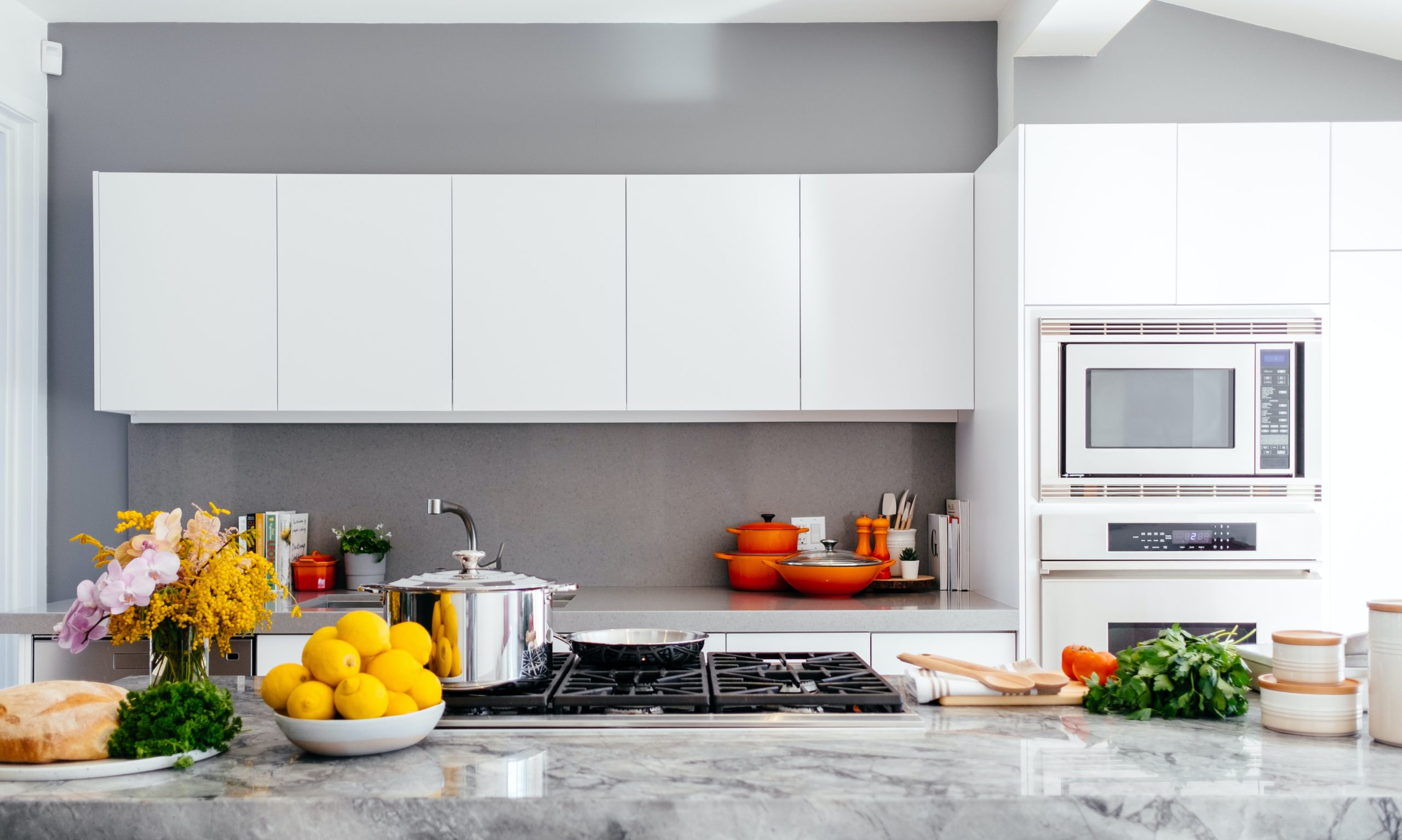
Remodel Your Kitchen to Green

 If you want a green kitchen makeover, there’s no need to sacrifice function or style. Let’s highlight the latest and greatest in kitchen remodeling, from energy-saving appliances to green kitchens. How to make this eco-friendly kitchen countertop out of recycled materials. The finished countertop measures sixty inches by twenty inches (152 cm by 50 cm).

Energy Star products are designed to help you save energy, save money, and protect the environment. They’re simple to install and use. The Green Building Standard (GBS) certification provides assurance that a building or remodeling project meets recognized standards for energy conservation, water efficiency, and indoor environmental quality.

LEED stands for Leadership in Energy and Environmental Design. LEED certification recognizes projects that meet strict requirements for energy and water efficiency, indoor environmental quality, materials selection, renewable power, and operational performance.

 Why does a kitchen remodel matter?

Do you know why a kitchen remodel matters? We all know that kitchens are the heart of any home. So, it’s essential to get a good one if you want to be happy in your own home. We will explore why you should consider having your kitchen remodeled.

Why a Kitchen Remodel Matters

Having a good kitchen is vital to your family’s happiness. It is the hub of your home and the heart of any household. If you want to make your family happy, you need to have a kitchen that they like. We will also share some of our tips and tricks on how to save money while making the kitchen of your dreams.

 Have you ever wondered why a kitchen remodel is important to your home? We explain what’s so great about having a modern kitchen with our posts on kitchens, kitchen trends, design tips, and more.

Learn more about the many benefits of kitchen remodeling, including health and safety, energy efficiency, and cost savings. Learn the basics about what should be included in a kitchen remodel and get a glimpse of what it would cost and how much time it could take to complete a kitchen remodel.

Energy Star (ES) is a program jointly developed by the U.S. Environmental Protection Agency (EPA) and the U.S. Department of Energy (DOE). This voluntary program was created to recognize products that meet strict energy efficiency standards. Products are eligible for the Energy Star seal of approval if they are ENERGY STAR qualified. A product receives a star rating based on its overall performance in five energy efficiency categories. These include energy used per dollar of product value, energy intensity (the amount of energy used to create a unit of product), energy efficiency ratio (which is the comparison between the actual energy used and the energy needed to make the product), water efficiency (which relates the number of gallons.

What are the essential elements of green kitchens?

Green kitchens are kitchens that take sustainability seriously. They strive to be more sustainable and conserve energy in their daily operations. This is not an easy task because it involves all aspects of home cooking. We will list what are the essential elements of a green kitchen. Sustainable living, green products, home decor ideas and much more.

 The kitchen is the heart of the home and it’s the most used room. Therefore, it should be designed with attention to detail and sustainability in mind. This blog post discusses the crucial factors in creating a green kitchen.

How do I choose the right color for my kitchen?

If you are considering redoing or remodeling your kitchen, choosing the right color can be confusing and overwhelming. You’ll want to make sure that the color you choose suits the current decor in your home. There are a variety of assorted colors available for your kitchen. Before you choose one, consider the following factors:

  • The current color scheme of your kitchen.
  • The mood you want to create in the room.
  • The style and look you want.
  • The level of maintenance you need.

Kitchen remodeling is a clever way to use resources in a healthy way.

If you’re looking for kitchen remodeling ideas and solutions, visit other blogs for the latest DIY project and home improvement tips. You’ll find ideas for kitchen remodeling, including kitchen cabinets, countertops, flooring, appliances, lighting, plumbing, paint color, flooring, and more. Kitchen remodeling is a fantastic way to find new ways to save money. Learn how to save on the cost of cabinets, countertops, flooring, appliances, lighting, and more.

 The kitchen features lots of information about kitchen remodeling, kitchen hardware, kitchen tools, and even more. You’ll find tips and tricks from the pros, plus ideas from home DIYers just like you. Kitchen Remodeling is an extremely popular blog that provides tips, tricks, and information on kitchen remodeling. We are always adding new articles on remodeling. It’s a terrific way to add beauty and value to your home. A kitchen remodel can be done without a lot of money or time. For more green thoughts check out our other blogs at https://beyond404realty.com/index.php/blog/

New and Custom Construction

[A Detailed Guide With Cost Estimation]

It’s thrilling to start planning your new house, especially after you grasp how the method operates and how to proceed with the new and construction home building process, including the setup of interior systems and design. Remember that material choice is everything when it comes to energy-efficient and high-quality custom homes. Do not compromise on the quality and proceed with the site selection carefully. 

Take into account that the residential customized construction process might differ from one location to the next and from one building company to the next, particularly if you’re constructing a dream house. Make sure to investigate your contractor’s unique regulations and processes.

  1. Site Selection & preparing building site 

First of all, you have to proceed with the side selection process and choose the site that best fits your lifestyle and is nearest to the facilities like health and education. After successfully selecting the site, you will need to proceed with the building process. 

Here is what you should consider during your side selection process. 

  • Community’s Design. 
  • Having a Vision in Mind. 
  • Knowing that Location is Everything. 
  • Making Sure the Homesite is Buildable. 
  • Research Building Restrictions. 

Permits are applied for and obtained by the builder.

The municipal government must accept the layout and issue permissions, including everything from licensing and leveling (depending on the shape of the property to suit your residence and road) to sewage disposal, residential construction, repair installation, and plumbing before a contractor can throw a spade in the soil. Device structure can commence if approvals are obtained.

A construction worker smoothens the ground.

Site preparation and base construction are usually done by a specific team, but with a forested lot, that might not be the scenario. The team erases the home site of boulders, rubble, and bushes with a shovel and an excavator and excavations for the sewer tank if necessary.

For the momentary footing, the contractor erects bamboo forms

The team prepares the area by leveling it, erecting wood blocks to act as a base pattern, and digging the excavations and ditches.

The foundations are laid.

Footings act as a foundation support network (often made of concrete slabs and steel). At this time, if your property has a well, it will be drilled. The pit is excavated, the pile foundations are created and filled, and the foundation walls are constructed and pumped if the property has a complete underground. The raft foundations are scooped, shaped, and cemented if the base is slab-on-grade, and the space around them is smoothed and connected with overhead wires (e.g., plumbing drains and electrical chases).

It will take a while for the cement to solidify until it has been put into the excavations and ditches. There would be no operation on the Jobsite throughout this time.

Pipes and drainage are installed

Next, the crew installs a moisture barrier to the retaining wall once the concrete has hardened. The drainage system, the backwater valve, bathroom faucets, and any equipment that needs to go into the first-floor foundation or basement level are installed. The scooped earth is then backfilled into the depression surrounding the formwork.

Analysis of Expenses

This is the most expensive part of the construction process. From differences in climate to the unit area and work expenses, over a dozen elements might influence the cost of your groundwork.

Timeline

The most crucial phase is paving the way and preparing the route for the home, which might require more time. It’s typical for this portion to take a few weeks or more.

1st inspection

When the drying stage is done, a building inspector inspects the site to ensure that the base elements are up to standard and correctly placed. Based on the kind of footing, this check may need to be performed (slab, crawl space, or basement). After that, your contractor will dismantle the molds and start working on stage two, the structure construction.

2. Finish Rough Framing

A house’s wood structure and walls.

The floor, wall, and roof systems are all constructed.

The home’s base (or framework) has been built, which includes the structural system, sidewalls, and roof structure.

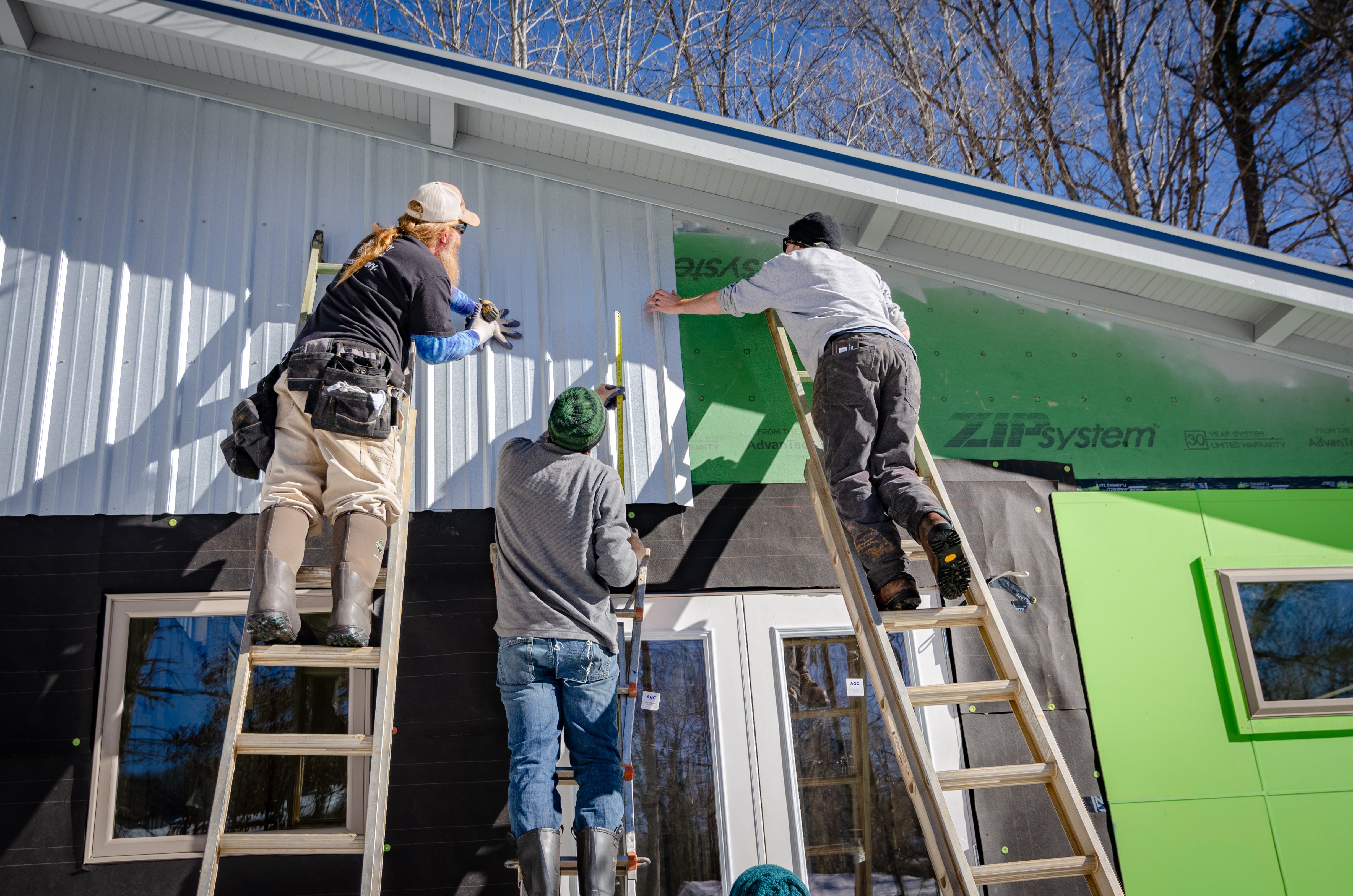
Exterior siding is sheathed and protected with insulating wrapping

The outer sides and ceiling are sheathed with wood or printed wiring timber, and the lights and outside entrances are fitted. The roofing is then wrapped in a protective layer called a house wrapper, which keeps water out while increasing water vapor to exit. Rust and wooden degradation are less likely as a result of this.

Breakdown of Prices

The typical cost of framing a house, including manpower, is present $7–$16 per square foot. Prices change based on the intricacy and magnitude of the building and the provision of supplies, so talk to your builder to receive a precise quote.

Timeline

Based on the scale and intricacy of the home and the climate, the framework might take anywhere from one to two months.

3. Sanitary, electrical, and HVAC rough-ins

The following things are deployed during this phase:

  • Tubing and cables
  • Airflow and sewage systems
  • Pipes for freshwater resources
  • Hot tubs and showers are both available.
  • HVAC system ducting HVAC exhaust tubes
  • Storage containers and electrical connections

Decking and shingles can be put in once the structure is complete. Plumbing and electrical technicians simultaneously begin putting tubes and cables through the inside rooms, rafters, and floorboards. Sewage pipes and outlets are constructed, and potable water connections for each appliance. Because there is leveraging to transport huge, large items, tubs and one-piece shower/tub seats are installed.

The furnace, refrigeration and conditioning systems (HVAC) system, and the heater require piping. Soundproofing is put on the floorboards, windows, rafters, and HVAC vent tubes are inserted through the rooftop.

The home is called “packed in” once the roofing is installed. After that, an engineer builds socket, lighting, and switching terminals and connects cables from the circuit box to each terminal. Phone line, cable Television, and audio equipment cabling are all included.

Because it is so suitable to start cables around pipework than vice versa, HVAC ducts and piping are frequently built before cabling.

Analysis of Expenses

Putting basic piping in a whole house may cost anywhere between $8,000 and $12,000, or $4.50 per square foot for residential development.

The typical cost of wiring a new home is from $2,500 to $4,000.

Fixing an HVAC system with pipework might cost anywhere from $6,820 to $12,350, depending on add-ons.

Timeline

While the HVAC system may be installed in three to seven days, the remainder of the metal ones, including electricity and running water, can take two to four weeks. This process should not be hurried, as bogging down in checks might cause the project to drag on even longer and prevent it from going ahead.

2nd, 3rd, and 4th inspections

Building standards conformance is checked on preliminary construction, drainage, and mechanical and electrical systems. These can most likely be three separate examinations. The frame inspection will be done independently from the electromechanical examinations at the barest minimum.

Drywall (also known as plasterboard, sheetrock, or plaster) is brought to the construction site at this point.

Insulate your home

Sealing helps to provide a more pleasant and constant indoor atmosphere while also increasing the fuel performance of a property. It is an important part of interior systems and design. The thermal efficiency, or R-value, of encapsulation, is one of the essential characteristics since it reflects how well the substance prevents thermal resistance. All external walls, as well as the ceiling and any stories above empty foundations or enclosed spaces, are sealed in most residences.

Polyester, viscose, and foam are the most prevalent forms of shielding used in new homes. Your contractor may use rock fleece (also known as rock wool or slag wool), concrete slabs, foam panel or rigid polyurethane, warming concrete blocks, spray bubble wrap, or steel framing panels, based on the region and environment.

Install Exterior Walkways and Driveways While considering interior systems and design

Make sure that doors, window treatments, and ornamental garnish are all up and running. Installation of entry doors, baseboards, door frames, skirting boards, baseboards, stair handrail, and other ornamental trim.

Cabinets, vanities, and mantels for the fireplace should have been completed.

It’s time to apply the last layer and focus on interior systems and design. 

Where appropriate, the surfaces are given a final thin coat or are plastered. It will look amazing if you have a great material choice. 

Additionally, the entrance, pathways, and terraces are constructed on the outside during this time. Because construction machinery (such as a drywall transport truck) might harm cement, many contractors recommend waiting until the job’s conclusion before constructing the pavement. However, some architects construct the roadway as soon as the groundwork is finished so that residents’ shoes don’t become wet when they attend the building site.

A Few Remarks about Inspections & Final design evaluation

As you can see, your new house will be examined regularly while it is being built. Your contractor may undertake an inspection process at essential times in the system in relation to required inspections for code enforcement. The goal is to identify as many potential weaknesses as practicable before the house is done, however some difficulties may not become apparent until after you’ve resided in it for a while.

Resource Efficient Homes

If you don’t hear much about resource-efficient houses or becoming green, it doesn’t imply the trend of green homes or resource-efficient homes has slowed. Instead, the movement of smart houses and resource-efficient homes has become commonplace, and many increasingly believe that living in a healthy living environment is a must.

If you want to live a more sustainable lifestyle and are interested in resource-efficient or smart houses, this complete guide is for you. Remember that there is a distinction between smart houses and resource-efficient homes. So, first, we’ll go over resource-efficient homes in-depth, then look at how they vary from smart homes.

What Are Resource-Efficient Homes? 

As the name implies, you utilize the least amount of resources, such as water and electricity. You are attempting to save money on operating expenditures in this manner. However, if you live in a resource-efficient home, you do not have to sacrifice your standard of living. It implies that you establish plans to live in an ecologically sustainable and appropriate manner for your requirements and make some modifications to help you save money.

Everyone wants to build resource-efficient homes in this inflationary period. The definition of these energy-efficient dwellings, on the other hand, is not so straightforward. Nowadays, many people are interested in high energy resource-efficient homes, which are the facilities where technological, architectural, and building expertise comes into play. It indicates that low-energy-consumption materials are employed in the construction of such structures. Building materials with low embodied energy are derived from sustainable sources, guaranteeing that no toxic elements are present.

How Are Energy Efficient Homes Constructed? 

Maintaining a high degree of comfort while ensuring that the home is as energy efficient as possible takes a great deal of skill and rigorous study and understanding of how the substances should be integrated and modified in the structure.

Furthermore, builders and architectural professionals strongly emphasize architectural design and regulation. This is reflected in technical suggestions and legislation. By 2020, all structures must meet the norms of a near-zero-energy building, according to European building energy efficiency regulations. It is defined as an exceptionally energy-efficient construction. The minimal minimum of energy required for operation and a high proportion of renewable energy to create the necessary electricity.

Five pillars of resource-efficient homes

To better grab the concept office or efficient homes, you need to understand the fundamental pillars. 

Heating System

Surface heating equipment is preferable if you want to attract the most heat while utilizing the least amount of heat energy. This equipment guarantee that the majority of the heat energy is instantly absorbed into the floor or ground, preventing the residents from squandering it. Furthermore, these appliances meet the bare minimum of heating energy requirements.

Thermal Wrap

The thermal wrap of the house protects the dwelling from cold, summer, heat, wind, and rain, much as garments protect humans from sunshine, severe weather conditions, and external harm. The home is insulated by a thermal blanket during construction, which preserves the ideal atmosphere and assures a high degree of energy efficiency. As a result, residents of resource-efficient homes may enjoy excellent living comfort and a tranquil energy-efficient atmosphere.

As a result, every well constructed, resource-efficient home would have a thermal cover to protect it from harsh weather conditions while still maintaining the inside energy-efficient atmosphere.

Joinery

Nowadays, people prefer to spend most of their time indoors, where they have access to electronics and other appliances and all things that enhance their interior experiences. As a result, people need delightfully bright living areas and wish to make provisions for this. The only way to ensure a bright, energy-efficient atmosphere is to build massive glass surfaces. This method maintains energy efficiency while enabling free solar energy to enter. It’s also a good option if you wish to keep UV rays outside and benefit from passive room heating in the winter.

Ventilation System

A properly-ventilated home is beneficial for air heat recovery and maintaining a healthy indoor atmosphere. As a result, it is an integral part of the zero-energy construction process. If you also want to keep your home in good shape and make it as resource-efficient as possible, you should pay special attention to the ventilation system. It has become a required component of all homes and can aid in achieving the energy efficiency aim.

Solar Energy

Although there are certain advantages to passively heating a building, when you obtain direct solar energy, harness it, and use it, you can ensure that your home’s energy efficiency requirements are met precisely. Passive building heating, which may be accomplished through glass surfaces, is also essential. However, solar technology has advanced significantly in recent years. We can witness the rapid growth of solar power plants, solar panels, and limitless and free solar energy resources, which can create electricity and meet all of your energy demands cost-effectively.

Smart Homes

Remember that many people confused the word smart home with the energy-efficient home. However, the terms are different. Smart homes are usually the technologically-advanced homes where all the appliances such as televisions, computers, air conditioners, lights, and heating systems are controlled remotely using smart devices. 

However, in most cases, smart homes are also energy efficient as they will reduce carbon footprint by controlling power usage and maintaining water conservation.

Final Verdict

Do you want to make your home a smart home, a green home and resource-efficient home simultaneously? Then it would help if you considered maintaining a healthy living environment with maximum involvement of natural components like solar energy, green plants along with the installation of energy-efficient construction materials during the construction and designing process.

Both of the above-mentioned living styles will help you lower your carbon footprint and contribute to a cleaner environment. However, in the long run, it is far more prudent to seek a certified residence. Because independent raters have already given it a rating, as a result, you’ll never have to worry about putting your confidence in various profit-driven businesses. Zero-energy construction is the way of the future, so make sure you’re a part of it!

Retrofitting An Existing Home

Do you want to save money on your energy costs while keeping your house warm? Then you should educate yourself on how to retrofit an existing home. Retrofitting an existing home is the process of introducing and utilizing new technologies or features to increase the overall energy efficiency of your house.

The phrase “retrofitting” encompasses a wide range of activities. It not only entails improvements in individual rooms, but the process extends across the entire house. Every procedure or up-to-date technology used in retrofitting is aimed at improving the overall energy efficiency of your home.

It’s important to remember that this is not the same as remodeling your home, as the home renovation is an entirely distinct process with goals other than boosting energy efficiency. Moreover, the main purpose of the renovation is to increase the aesthetics of the home.

Now let’s study retrofitting an existing home in detail.

What Does It Mean To Retrofit An Existing Home?

Retrofitting is something greater and more important than just remodeling or renovating the home. Basically, it entails more alterations to the old home so that it converts into a completely energy-efficient area.

Here you might be wondering:

What kind of improvements are involved in retrofitting that contribute to the improved thermal performance and comfort of the home.

Let’s see what the experts say about it.

“Retrofitting is multi-faceted and can include shielding roof tiles, walls, staircases, facades, and carpeting; replacement windows; enhanced air circulation layout; acoustic insulation works, and more effective domestic hot water treatment facilities,” says Paul Testa, founder of Paul Testa Architecture and contributor to Homebuilding & Renovating. Renewables are frequently implemented as part of retrofit projects.” Utilizing up-to-date technology and automatic monitoring to achieve the goal of lower fuel usage is vital. In this way, the homes can achieve high R-value insulation.

What Is The Significance Of Retrofitting Homes?

According to several assessments, the UK’s over 28 million existing dwellings account for 15% of the country’s total carbon emissions. The Committee on Climate Change has expressed its dissatisfaction with such a large energy loss. It implies that upgrading an existing home can help the government meet its net-zero climate targets.

The simplest and most efficient answer to this problem is to remodel existing homes and buildings with energy-saving the use of up-to-date technology and automated monitoring can be very helpful for retrofitting existing homes.

In this regard, a number of initiatives are being done. Industrial organizations such as the Federation of Master Builders, for example, are attempting to enhance public awareness and focus on the development of road maps. This procedure will assist individuals in retrofitting their current homes. Furthermore, a few countries are intending to take specific steps to give financial assistance to homeowners so that they can adapt their homes.

Unfortunately, there are presently few worldwide initiatives in place in this area. As a result, there is a pressing need to devote significant and proper attention to the refit business. Countries must concentrate their efforts on improving people’s skills and knowledge in order to achieve this goal. To put it another way, the scaling process should be done on a huge scale.

Does Your House Need Retrofitting?

If you are living in an old home then you might be facing a dire need to retrofit your property. Moreover, solid wall construction buildings also require particular retrofit work and care.

If you want to know whether or not your house needs retrofitting, you need to evaluate the overall energy efficiency of your home. In this way, you will be able to estimate what kind of retrofit improvements can be beneficial.

Helpful Tips For Evaluating The Required Retrofit Improvements

Not every individual homeowner can evaluate the level of energy efficiency. So here are a few tips and tricks to proceed with this process.

Energy Performance Certificate (EPC)

You can go for an Energy Performance Certificate (EPC). It is basically a process in which experts visit your home and evaluate energy efficiency levels. In case your property is energy efficient, you will get an energy performance certificate (EPC). The main purpose of the certificate is to outline the property’s energy use. Moreover, it also provides you with in-depth information on the potential energy costs.

In this certification, you get the results of your home’s energy efficiency in the form of grades. The people whose homes have EPC below A, need to be super careful about retrofitting.

Blower Door Test

The airtightness of your home is a critical component in determining energy efficiency. When your house is not airtight enough, you might be impacted by excessive levels of humidity or draughts right away. So, if you’re experiencing difficulty as a result of the dryness, you should have a blower door test. This test will determine how uncomfortable you are as a result of a lack of airtightness, as well as how airtight your home is.

Thermographic Surveys

The primary purpose of all tests, certifications, and assessments is to determine the energy usage of the property. As a result, thermographic surveys can be beneficial in this regard. These are surveys that help to locate regions of air leakage. You may simply verify the degree of insulation in your house by completing these assessments. Moreover, you can also call the inspection team that will utilize up-to-date technology in checking out the retrofitting needs of your home.

Remember that the simplest approach to determining whether your home needs retrofitting is to thoroughly examine your energy costs. People who often struggle to pay their energy bills face the issue of excessive energy consumption. Along with a thorough assessment of the property, additional elements that influence energy use include your lifestyle and total expenditures.

Wrapping Up: Retrofitting An Existing Home Utilizing Up-to-date Technology

Retrofitting an existing home provides significant personal and social advantages. Well-renovated houses are likely to be nicer places, reducing the chances of sickness caused by poor internal air conditioning. This relieves strain on the healthcare system. Retrofitted houses are more comfortable, consume less energy, and place less strain on the power system. A retrofit can enhance air quality and remove mold and moisture concerns by enhancing airtightness and addressing circulation. Renting in Texas can be difficult, but so can start searching for a new home.

With Beyond 404 Realty, Anthoney Hanks helps families and individuals find their dream homes in the Dallas-Fort Worth community. Anthony specializes in working with first-time homebuyers in Texas and those looking to purchase investment properties in Texas. Anthoney will teach you how to become a homeowner, stop renting, and start buying! Visit www.beyond404realty.com for more information or visit our YouTube page for short videos on starting the home buying process at https://www.youtube.com/channel/UCmzTlxpC6-nJWXsphoqhPZw We can’t wait to work with you.

Growing Your Own Food this Summer in Your Home Garden

Home garden


Even though you may have your own gardens started, there can always be ways to improve your plants’ health. Gardening is a great way to source your own food on a budget. It is also an excellent way to enjoy time outdoors. If you have never gardened before, doing a little extra research can make a difference in how well your plants will do. Follow these steps to help your garden succeed! 

Start Inside 

Though temperatures are rising, evenings may still be chilly during the spring. Starting your vegetable growing indoors will protect them. Growing your seedlings indoors also gives them time to get stronger before facing harsh conditions. 

Choose The Best Location 

Before planting your garden, you will want to find out what spot in your yard is best for your beds. You will likely want a location where there is direct sun for at least eight hours a day. 

Install Raised Beds for Your Seedlings 

Once you’ve found the best location and your seedlings are growing, you will want to prepare your garden for your plants. Using raised beds allows for a deep soil stack for further root growth and makes planting easier. Here are some tips for easy installation

Add Pollinating Attractions & Bug Repellent 

Bugs aren’t always bad. Bugs that will pollinate your flowering veggies can be highly beneficial, so it is always helpful to plant flowers that attract pollinators. Growing herbs like mint and lavender will repel nasty bugs and other animals. 

Proper Watering is Key 

Properly watering is a vital part of having a plentiful garden. Spending the money on a drip irrigation system can save you time, as it slowly soaks your plants without over-watering them. If that doesn’t sound like something you’re interested in, make sure you have a consistent watering schedule.  

We hope that these steps were helpful, and that you can enjoy your labor’s literal fruits (and veggies!) later this summer! 

From Renting to Homeownership in Texas 

Renting in Texas can be difficult, but so can start searching for a new home. With Beyond 404 Realty, Anthoney Hanks helps families and individuals in the Dallas-Fort Worth community find their dream home. Anthony specializes in working with first-time homebuyers in Texas and those looking to purchase investment properties in Texas. Anthoney will teach you how to become a homeowner, stop renting, and start buying! Visit www.beyond404realty.com for more information or visit our YouTube page for short videos on starting the home buying process at https://www.youtube.com/channel/UCmzTlxpC6-nJWXsphoqhPZw We can’t wait to work with you.