
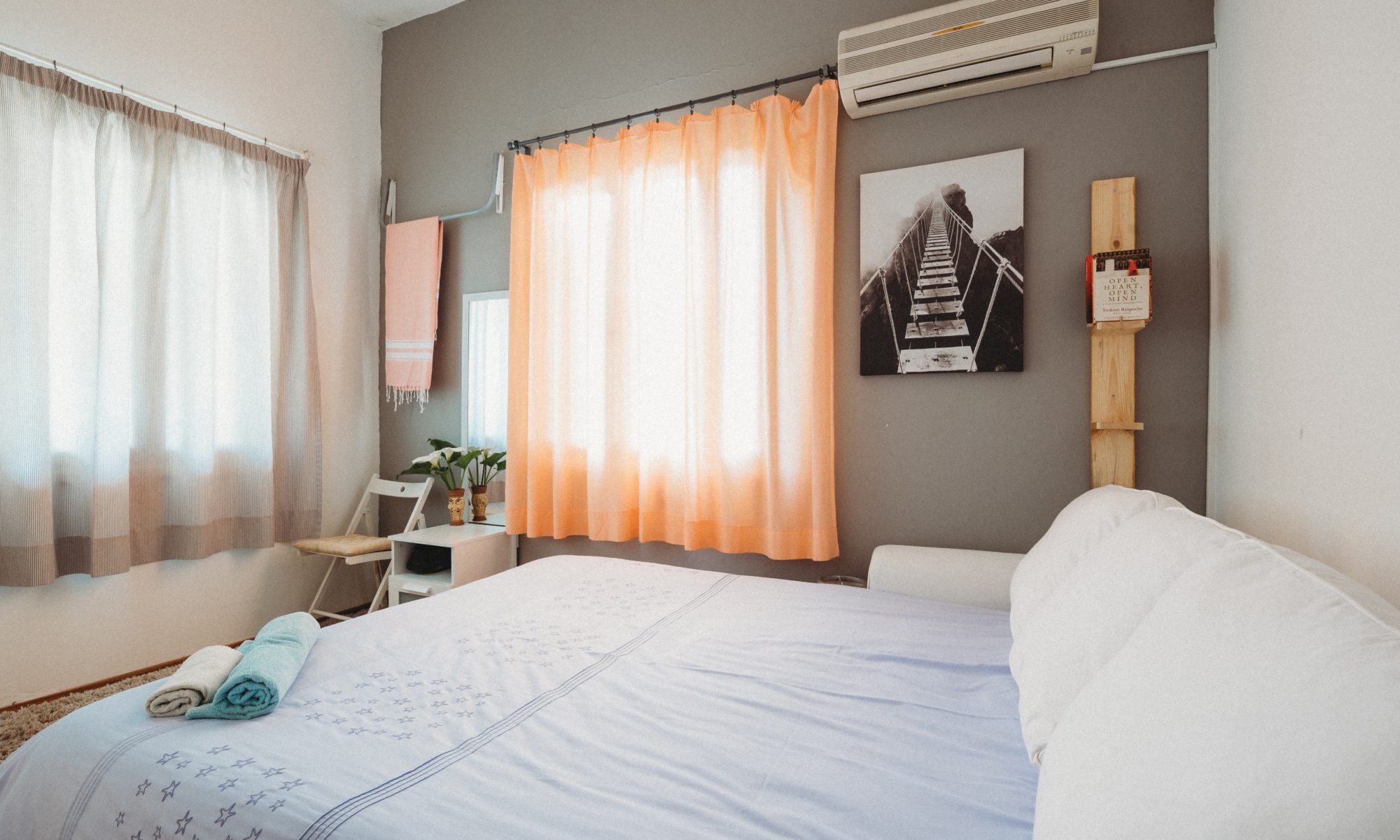
Short-term Rentals – How to Start

As the short-term rental market continues to grow many are wondering “How can I get in on it?”. Short-term rentals are often underused although highly profitable avenues of real estate investing. During this article, we will discuss why the short-term rental market is booming, what some advantages are for owning short-term rental properties, and where to start. 

Why is the short-term rental market booming? 

With millennials starting a family of their own and in turn taking family trips, they are paving the way for an alternative sort of stay from the traditional hotel and motel avenue. The popularity of internet booking sites such as VRBO and AirBNB also has played a major role in boosting the short-term rental market, which was once only reserved for cottages along the shores of lakes and the ocean during summer months. With the endless options of location, style, and atmosphere of a rental property, virtually everyone can find a property that they truly feel at home in while away from home, or they can try something completely new such as staying in a tiny house, yurt, or cabin for instance. Another contributing factor is that as Gen Z and Millennials find their way in the working world, they have adapted more of a nomadic ideology and travel, even if for a shorter time frame is higher of a priority than generations past.  

What are the advantages of short-term rentals? 

The biggest advantage might be the most obvious – no long-term tenants to have to chase around for rent every month. If you host your rental property through a booking site there is a guaranteed upfront payday unlike some troubled long-term tenants, this means that there is no guesswork or pestering for that rental fee. Depending on the property the weekly rental rate could also be significantly higher than that of a long-term month-to-month lease, in some cases upwards of thousands more – location dependent. Once you get a team of dedicated people to assist you with the rentals, including a handyman and a maid for turn over services, they are also much easier to maintain with low stress and high rewards. 

Where do you start? 

First, you need to consider the type of property you would like, this can range from a typical vacation home with water frontage to a unique stay like a remote cabin or tiny home. Once you decide that you will need to determine the location – this is huge! Depending on location there will be certain regulations surrounding short-term rentals. Make sure you have a trusted agent who can help you navigate through each area’s specific guidelines for your potential rental.  

Now what? 

Is buying a property to use it as short-term rental the start of your journey to financial freedom? It could be! Consider the above discussion and look at your finances to see if you are in a position to start your search. A trusted local agent is only a phone call away! 

For information on short-term rental properties in the Dallas-Fort Worth area, reach out to Anthoney Hanks with Beyond 404 Realty. He will guide you in the right direction and help you find your perfect rental property.  

7 Days of Home Organization

Get Organized

Have you ever walked into a home with piles upon piles of clutter? Have you ever walked into a home with too many gadgets out or mail all over the counters? Do those homes feel warm, welcoming, and peaceful to you? When trying to attract a future buyer to your home you want them to envision their potential life there, not to be distracted by your clutter. In this article, we will discuss a 7-day game plan on organizing your home space by space.  

Day 1 – Entry or Mudroom 

You might enter your home through the front door, the side door, or even a garage, regardless, the last thing you want to see is a mess. The first impression of your home should be welcoming, not chaotic. What can you do to organize an entry?  

  1. Sort and eliminate: Go through coats, boots, helmets, backpacks, umbrellas, etc. Donate what you do not use any longer.  
  1. Organize: buy wall hooks or shelving to store what you have left in your entry.  
  1. Accessorize: Get a cute welcome mat to keep shoes on. Nothing says “Welcome To Our Home” more than a nice fresh mat. 

Day 2 – Basement, Garage, and Attic 

These often overlooked spaces can become a dumping ground for excess stuff. Often so much stuff is crammed into these spaces that you cannot even tell how big the space is! 

  1. Sort and eliminate: Donate what you no longer use and categorize what you do use.  
  1. Store: Buy totes and organize what is left by season, holiday, type, etc. Label the totes for easy access in the future. 

Day 3 – Closets 

Do you still have clothes that you have not worn in 10 years as well as 4 sizes too big or small? Most of us do.  

  1. Sort and eliminate: Only keep what you love – life is too short to wear clothes that you hate or are not functional! Rule of thumb: If you have not worn it in 6 months, eliminate. 
  1. Donate: Items that can be used  someone else can be donated to a local charity or Goodwill. 
  1. Update those hangers: Did you know that if you have clothing hangers that are all the same color that it looks more neat, cohesive, and all over a bigger space? Try buying all white, or black hangers and see the difference!  

Day 4 – Bedrooms 

Do you think your bedroom is organized? Think again! 

  1. Under your bed: What is under your bed? Take everything out, sort and eliminate, then put what remains in rolling totes. This makes accessing these items easier in the future. 
  1. Jewelry: Stop throwing all of your jewelry in a drawer! After you sort and eliminate, organize your jewelry in containers or display them beautifully and artfully.  

Day 5 – Office Space 

With a lot of us working from home during COVID and beyond, our home office might have become overrun!  

  1. Sort and eliminate: Go through paperwork and files. Properly dispose of outdated documents.  
  1. Organize: Buy file holders or a stylish filing cabinet. Organize by topic or alphabetically.  

Day 6 – Bathrooms 

Do you have so many products that they fall out of your vanity? We have all been there. Try these steps to solve that problem. 

  1. Sort and eliminate: Throw away expired products or products that you no longer use. Sort what is left by category, makeup, skin, hair, body, etc. 
  1. Organize: Buying simple containers and baskets to fit inside your vanity will make a world of difference. Keep products in baskets or containers by category and never misplace anything again! 

Day 7 – The Kitchen 

Often the most used and most cluttered space in the home.  

  1. Sort and eliminate food: Start with food – go through and toss any expired goods, from canned food to boxed food, fridge, and freezer items.  
  1. Containers: Do you have 6 Tupperware lids and 8 containers? Yeah, that’s common. Match up what you have with their lids and toss what does not have a match. 
  1. Small appliances: 2 handheld mixers? Do you need both? Donate one or toss it if it no longer works. There is no reason to have 2 of everything when there is only 1 household.  

After this week of decluttering and organizing your home will be ready to welcome prospective buyers! Every room that they walk into will welcome them and make them feel like they can make your house their home.  

For more tips and tricks on prepping your house for sale, follow our blog.  

Considering selling your home soon and do not know where to start? Connect with us today and we will be happy to help you get started. Beyond 404 Realty specializes in helping those ready to take their next step in the DFW(Forney, Terrell, Rockwall, Crandall, Talty, Mesquite and Garland) area. 

Simple Home Décor Tips and Tricks to Sell Your Home

Simple Home Decor


When a prospective buyer comes to tour your home they need to be able to imagine themselves living in your home. This means you need to make the home appealing to a wide variety of people while still maintaining your individual style. Sounds tough, right? Follow these simple tricks and tips to make your house feel like home to more buyers.  

Follow a Color Scheme  

Pick no more than 4 to 5 colors when decorating your home. Pick one dominant color, typically a neutral such as tan, brown, black, gray, or white, and then apply a secondary color and a few pops of color. Try to stick to this trend throughout the home. It makes everything seem more cohesive and keeps the buyers from feeling like every room is part of a different home. With proper planning and execution, even a salmon color scheme can seem like it goes! If you don’t know where to start with color schemes, look at what you already have and then check sites like Pinterest and see what others have done with your dominant color. Add in a few throw pillows and some inexpensive art and you have a well-designed room! 

Hang Your Art Appropriately  

Artwork should typically hang at eye level or about 57 inches from the floor. The correct height is especially important when hanging solo centerpiece artwork. Plan out where you will put your art before the nail ever hits the wall. Arrange the art on the floor leaning against the wall where you think it should go. Then, have someone hold it up for you as you check the placement. Next, create a mark with a piece of tape or a small pencil mark on the wall as to where the nail should go, this will prevent wall damage and ensure a proper hang every time.  

Paint Can Fix It 

Paint is the magic glue that holds home decor together. Have an eyesore of a room that you’re 15 year old painted lime green? Paint over it with a nice neutral wall and be sure to include a primer under the paint so that the color does not bleed through. Perhaps paint the walls a light gray, white, tan, or another popular color. Sometimes less color is more.  

Ceilings Matter 

Look up at your ceilings – do you see water stains from the time that pipe burst 12 years ago? Trust us, the buyer will see that too. Instead of thinking the problem is long solved, they might wonder what caused that and how expensive it will be for them to fix it. Paint over the ceilings and make them nice bright and white to eliminate any second guesses from potential buyers.  

When in Doubt add Plants 

Plants make everything better. Have a dull corner that needs some color but don’t know what belongs there? Get a plant! House plants are available at most home improvement stores and are relatively inexpensive and low maintenance. Plants not only purify the air to make the home feel fresh and light, but they also add the much-needed pop of color.  

Throw Pillows 

Does that old couch need to be replaced but you’re waiting until you move to do so? Don’t worry, we’ve got you covered. Cover any unsightly spots on the couch with a color throw blanket or different sized throw pillows. This serves two purposes in covering possible blemishes as well as adding pops of color to an otherwise bland space.  

Cover the Cover Table 

That once stunning coffee table in your living room now is covered in rings of yesterday’s coffee stains and marks. Cover the marks with a bold colored book with a fun picture of architecture or travel on the cover.  

Following these simple steps will help elevate your home. After a few showings, you will see the offers rolling in! 

For more design tips and tricks head over to our Instagram for weekly updates and advice.  

Should You Use an Agent?

When you’re starting to think about your next big move you might think, “I can do this myself, who needs an agent these days?” Maybe you don’t want to work with an agent because you think you can save money or because you don’t want the stress of someone trying to push a sale. Don’t go at it alone! Whether you’re buying or selling there are good reasons why you should get a full-time real estate agent.  

You’re selling your home. At the end of the day, the truth is that there is a lot that goes into selling a home and you’re not an expert. Depending on your level of experience with buying and selling homes you might think that you know the basics and could manage. That’s a deceiving thought. There is so much that goes into the process that you might not have even been aware of when you previously purchased or sold a home because the agent you worked with had taken care of it. Agents are working at selling your house full time whereas you cannot possibly be in that situation if you are working or caring for children. Below are some reasons why you should consider working with an agent when selling your home.  

Real Estate Agents Have Experience and Support 

Unless you have a full staff behind you and practice selling multiple homes all day every day then there is no way you will have nearly as much experience as a veteran agent. Experience makes a huge difference in getting your home on the market and sold quickly. Agents will know how to navigate the tricky market and how to best advertise your home. Agents have trained and taken classes and undergone mentoring at their office – they are fully equipped to sell your home. The agent you work with is working towards the same goal as you – getting your home sold. Their experience is extremely valuable and worth all the commissions involved. 

Real Estate Agents Understand Contracts and Negotiation  

Selling your home is often emotional and when emotions run high, sometimes logic and common sense fly out the window. Emotions run high due to the fact that you might have raised a family in this home or perhaps even put hours and hours of work into making it perfect. Your agent is prepared for all of that! They are removed from the emotional sentiments and keep you focused on your goal of selling. They won’t let their emotions get in the way of negotiating a good deal for you. Agents often spend hours training a year in negotiation skills, they are ready for whatever gets thrown to them. Your agent is also well versed in the local real estate contract. The once thought ease of selling your home goes out the window once you look over the contract. Contracts can be complicated and there is no need to worry about messing something up if you have an agent to do all of the heavy lifting with paperwork.  

Agents have access to a Large Network 

Yes, you indeed have access to all of the same online sites that the agents will use to list your property. What you don’t have is their connections. Even if you have a large network of co-workers and friends, they will not be as motivated as your agent and their network of other agents.  

All of the above information is helpful but what if you’re still considering selling on your own? Do some additional research and figure out what solution is best for you. Follow our blog for more tips and tricks on all things real estate.  

You Deserve It! Or Do You?

Decision Making

Have you heard this statement? Maybe on the TV? Maybe on the radio? Maybe from family or friends?

You deserve that new house!!

You deserve that new truck!!

You deserve that new phone!!

I absolutely HATE that word, DESERVE. I want to tell you a reality. YOU DESERVE WHAT YOU CAN AFFORD!! Our culture tells us do whatever makes us feel good. And you should do whatever it takes to feel good. Even if that means going into debt to get that feel good experience. It took me 40 years and losing a house to learn that lesson. I had an old friend tell me once, Do not let your WANTs become more than your NEEDs.

Now how does this relate to real estate? Well, if you want to move out of your parent’s home, out of that apartment, upsize or downsize your current property, you need start preparing yourself to buy a home.

  • Come up with a strategy. Sit down with your partner (if you have one) and decide on a plan. How much of a down payment can you afford and how long will it take to come up with that money. And do not forget to save a little money for closing cost, earnest month, etc.
  • Check your credit score. If you want a quick glimpse to your credit score, go to Kredit Karma website and signup. Also, get your free annual credit report. Look for negative entries. Work on cleaning up your credit, if needed.
  • Get started now!! Doing item 1 and 2 only cost you time. It is never too early to get started. Get your plan in action. Work on cleaning up that credit. Start saving that money.
  • Find an agent you can work with. If you are buying a new home, most of the time the buyer agent’s commission comes from the seller. An agent will help you navigate the process. Please do not discount the value of have a good agent. If you are wanting to sell, have an agent navigate the process.

I hope my thoughts can help someone. Good luck with your journey.

Rent vs Buy

To rent or to buy is one of the biggest questions prospective first-time homebuyers ask themselves. Renting might feel like you are constantly paying your landlord’s bills with nothing to show for yourself while owning a home sounds like a daunting challenge that feels too out of reach. We all have concerns about doing the right thing for ourselves and our families when considering spending a large amount of money, whether that be on rent or a mortgage. To truly understand what is the right choice for you, let’s consider some of the pros and cons of each! “Renting is just throwing your money away” If you’re paying your mortgage to the bank or paying rent to your landlord, there is no escaping the fact that you will have a monthly payment to live in a home. Homeownership DOES often come with a smaller monthly cost than most rental payments, although some costs come with owning a home that you often overlook while renting. Homeowners have to pay property taxes, utilities, homeowners insurance, and keep up with home repairs. You also have to take into consideration lawn maintenance, fuel costs, and general upkeep costs. If you rent the money you pay to your landlord generally covers what they put into the home to care for these needs. When you’re a homeowner you assume the monthly payment in addition to all of these added fees. “Is renting cheaper in the long run?” While it’s true that when you’re renting a property you don’t have to pay the added expenses of maintenance like roof repairs, new heating system, etc, consider that your rent may fluctuate in price over time. Your monthly mortgage payment is locked in place the day you buy your home. Rents can change as the market changes or if your landlord sells your building. Recently we have all seen that rents sometimes rise faster than we can pay for them, often most renters working multiple jobs. Statistically, it does seem that it is cheaper, in the long run, to own a home due to sustainability and the certainty of your monthly payments.

Hub and Spoke – What is it?

Organization Texas

Have you ever heard of the Hub & Spoke Model? 

The Hub and Spoke Model originated as a visual for the transportation industry. Hubs acted as key airports that planes would route their flights through, and spokes were the different flight routes planes followed to other airports. 

Over time, other industries adopted the Hub and Spoke Model to fit their needs, the overall design and premise stayed the same as it evolves for the specific industry: hubs act as centralized areas of importance, and spokes link hubs to less important sections or to other hubs. 

The Hub and Spoke Model is used in a variety of industries and personally by many who like to track goals and sub-tasks. It can be applied to many different situations, start-up companies, blogs, healthcare, real estate, and more! 

One of the most important things you can do when creating your own hub & spoke is to determine what your hub will be. 

Creating the Hub. 

To create a new hub you need to determine what the end goal is. For instance, if you are creating a website, the end goal would be to launch the website, so that would be your hub and all of the tasks that go into creating the site would become the spokes. Another example would be if you are an investor. The main goal or hub would be to ultimately grow your portfolio. How do you accomplish that? 

Determining Spokes. 

Let’s continue with the example of the investor looking to grow their portfolio – their hub. What tasks might become their spokes? Perhaps some of the spokes could be the following; research areas to invest, find a broker, invest in real estate, hire a team, look for a partner, etc. 

Follow Through and Adjusting 

With any organizational tool, there will always be adjustments that need to be made as well as new goals, or hubs and spokes, to be added. Set a reminder to look over your model every few weeks to see how you’re doing and what you could add. Set yourself up for success this way. 

6 Spring Maintenance Tips

Spring Clean

Spring has arrived with long days, warmer weather, and lots of home projects that you can catch up on! From repairing winter property damage to preparing your home for summer fun, the big question many find themselves asking is what should you do first? 

Not sure where to start? These six basic home maintenance needs are all worth your attention this season. 

Clean Your Dryer Vent 

Quite possibly one of the biggest fire hazards in your home is a clogged dryer vent, yet so many people overlook regular maintenance of it. You can easily prevent a future disaster by cleaning out your dryer vent each spring.  

Clean Your Gutters 

This unpopular task can be put off time and time again, although it’s extremely important to keep up with regular maintenance. Blocked or damaged gutters won’t be able to effectively combat the heavy spring rains unless properly cleaned or repaired. Debris needs to be removed and damaged pieces will need to be replaced. You should also check your downspouts to ensure that they are turned away from your home.  

      Check Your Basement 

This seemingly simple task can be the difference between a small issue or a larger issue later down the road. In addition to examining the outside foundation area of your home for cracks, you should carefully review all of your home systems such as HVAC units, water purifiers, etc. While in the basement you should also be on the lookout for signs of mold or other fungus and areas of dampness.  

Clean and Inspect Window Screens 

Look over all of your window screens as you clean them for small tears that can be repaired. A little bit of work now will keep unwanted pests from coming into your home. 

Trim Tree Branches  

Oftentimes over the winter tree limbs will die off and in the spring need to be trimmed. This can prevent larger limbs from falling onto your home during spring and summer storms and possibly preventing roof or other property damage.  

    HVAC Maintenance 

Have your HVAC professionally serviced so that the A/C will effectively run throughout the spring and summer months. The more effective your system is, the less money you will be spending on energy costs!   

Following these six basic tips in addition to your property-specific needs will ensure that your home is ready for the warmer months ahead of where you can sit back, relax, and enjoy your home to the fullest