
Remodel Your Kitchen to Green

 If you want a green kitchen makeover, there’s no need to sacrifice function or style. Let’s highlight the latest and greatest in kitchen remodeling, from energy-saving appliances to green kitchens. How to make this eco-friendly kitchen countertop out of recycled materials. The finished countertop measures sixty inches by twenty inches (152 cm by 50 cm).

Energy Star products are designed to help you save energy, save money, and protect the environment. They’re simple to install and use. The Green Building Standard (GBS) certification provides assurance that a building or remodeling project meets recognized standards for energy conservation, water efficiency, and indoor environmental quality.

LEED stands for Leadership in Energy and Environmental Design. LEED certification recognizes projects that meet strict requirements for energy and water efficiency, indoor environmental quality, materials selection, renewable power, and operational performance.

 Why does a kitchen remodel matter?

Do you know why a kitchen remodel matters? We all know that kitchens are the heart of any home. So, it’s essential to get a good one if you want to be happy in your own home. We will explore why you should consider having your kitchen remodeled.

Why a Kitchen Remodel Matters

Having a good kitchen is vital to your family’s happiness. It is the hub of your home and the heart of any household. If you want to make your family happy, you need to have a kitchen that they like. We will also share some of our tips and tricks on how to save money while making the kitchen of your dreams.

 Have you ever wondered why a kitchen remodel is important to your home? We explain what’s so great about having a modern kitchen with our posts on kitchens, kitchen trends, design tips, and more.

Learn more about the many benefits of kitchen remodeling, including health and safety, energy efficiency, and cost savings. Learn the basics about what should be included in a kitchen remodel and get a glimpse of what it would cost and how much time it could take to complete a kitchen remodel.

Energy Star (ES) is a program jointly developed by the U.S. Environmental Protection Agency (EPA) and the U.S. Department of Energy (DOE). This voluntary program was created to recognize products that meet strict energy efficiency standards. Products are eligible for the Energy Star seal of approval if they are ENERGY STAR qualified. A product receives a star rating based on its overall performance in five energy efficiency categories. These include energy used per dollar of product value, energy intensity (the amount of energy used to create a unit of product), energy efficiency ratio (which is the comparison between the actual energy used and the energy needed to make the product), water efficiency (which relates the number of gallons.

What are the essential elements of green kitchens?

Green kitchens are kitchens that take sustainability seriously. They strive to be more sustainable and conserve energy in their daily operations. This is not an easy task because it involves all aspects of home cooking. We will list what are the essential elements of a green kitchen. Sustainable living, green products, home decor ideas and much more.

 The kitchen is the heart of the home and it’s the most used room. Therefore, it should be designed with attention to detail and sustainability in mind. This blog post discusses the crucial factors in creating a green kitchen.

How do I choose the right color for my kitchen?

If you are considering redoing or remodeling your kitchen, choosing the right color can be confusing and overwhelming. You’ll want to make sure that the color you choose suits the current decor in your home. There are a variety of assorted colors available for your kitchen. Before you choose one, consider the following factors:

  • The current color scheme of your kitchen.
  • The mood you want to create in the room.
  • The style and look you want.
  • The level of maintenance you need.

Kitchen remodeling is a clever way to use resources in a healthy way.

If you’re looking for kitchen remodeling ideas and solutions, visit other blogs for the latest DIY project and home improvement tips. You’ll find ideas for kitchen remodeling, including kitchen cabinets, countertops, flooring, appliances, lighting, plumbing, paint color, flooring, and more. Kitchen remodeling is a fantastic way to find new ways to save money. Learn how to save on the cost of cabinets, countertops, flooring, appliances, lighting, and more.

 The kitchen features lots of information about kitchen remodeling, kitchen hardware, kitchen tools, and even more. You’ll find tips and tricks from the pros, plus ideas from home DIYers just like you. Kitchen Remodeling is an extremely popular blog that provides tips, tricks, and information on kitchen remodeling. We are always adding new articles on remodeling. It’s a terrific way to add beauty and value to your home. A kitchen remodel can be done without a lot of money or time. For more green thoughts check out our other blogs at https://beyond404realty.com/index.php/blog/

Long-Distance House Hunting

House-hunting, in general, isn’t always easy. Adding distance into the mix can present challenges you wouldn’t encounter when looking for a new home in the next town over. While it may not be a walk in the park to buy a house from far away, it is attainable. If you find a reputable agent and follow these simple steps, you can be successful in your long-distance house-hunt and move. 

1. Research First 

Knowing your town and neighborhood like the back of your hand is something we take for granted. You know where the best dinner place is and what grocery store is closest to your home for those last-minute runs. When moving to a new neighborhood, especially in a new state, you need to decide what is important to you to have in your new neighborhood. Do you want to be near a coffee shop, grocery store, or park? Researching your potential communities will help you feel better about choosing a new home in an area you may never have visited. 

2. Use Modern Technology To Your Advantage 

Google Maps offers aerial views that can give you an idea of your neighborhood if you don’t to travel right away to visit your new area. Getting to know the roads and homes in your area will make you feel more at home when you move. 

3. Have a Travel Budget and Stick to it 

Even if you have your agent showing you as many homes as possible online, you need to plan for the possibility of making more than one trip to where you plan on moving. You might need to travel to sign important documents, attend inspections, and other appointments.  

4. Decide Your Non-Negotiables 

Choosing a home in a new area already comes with many challenges. If you’re heading in to check out houses and have a week filled with potential home tours, your search will be easier if those homes meet your requirements. How do you know if you’ve found the perfect home? Check out this blog: https://beyond404realty.com/index.php/2022/04/12/how-to-know-youve-found-the-perfect-home/  

From Renting to Homeownership in Texas 

Renting in Texas can be difficult, but so can start searching for a new home. With Beyond 404 Realty, Anthoney Hanks helps families and individuals find their dream homes in the Dallas-Fort Worth community. Anthony specializes in working with first-time homebuyers in Texas and those looking to purchase investment properties in Texas. Anthoney will teach you how to become a homeowner, stop renting, and start buying! Visit www.beyond404realty.com for more information or visit our YouTube page for short videos on starting the home buying process at https://www.youtube.com/channel/UCmzTlxpC6-nJWXsphoqhPZw We can’t wait to work with you.  

Moving With Kids – How Can You Make it Easier?

Moving with kids

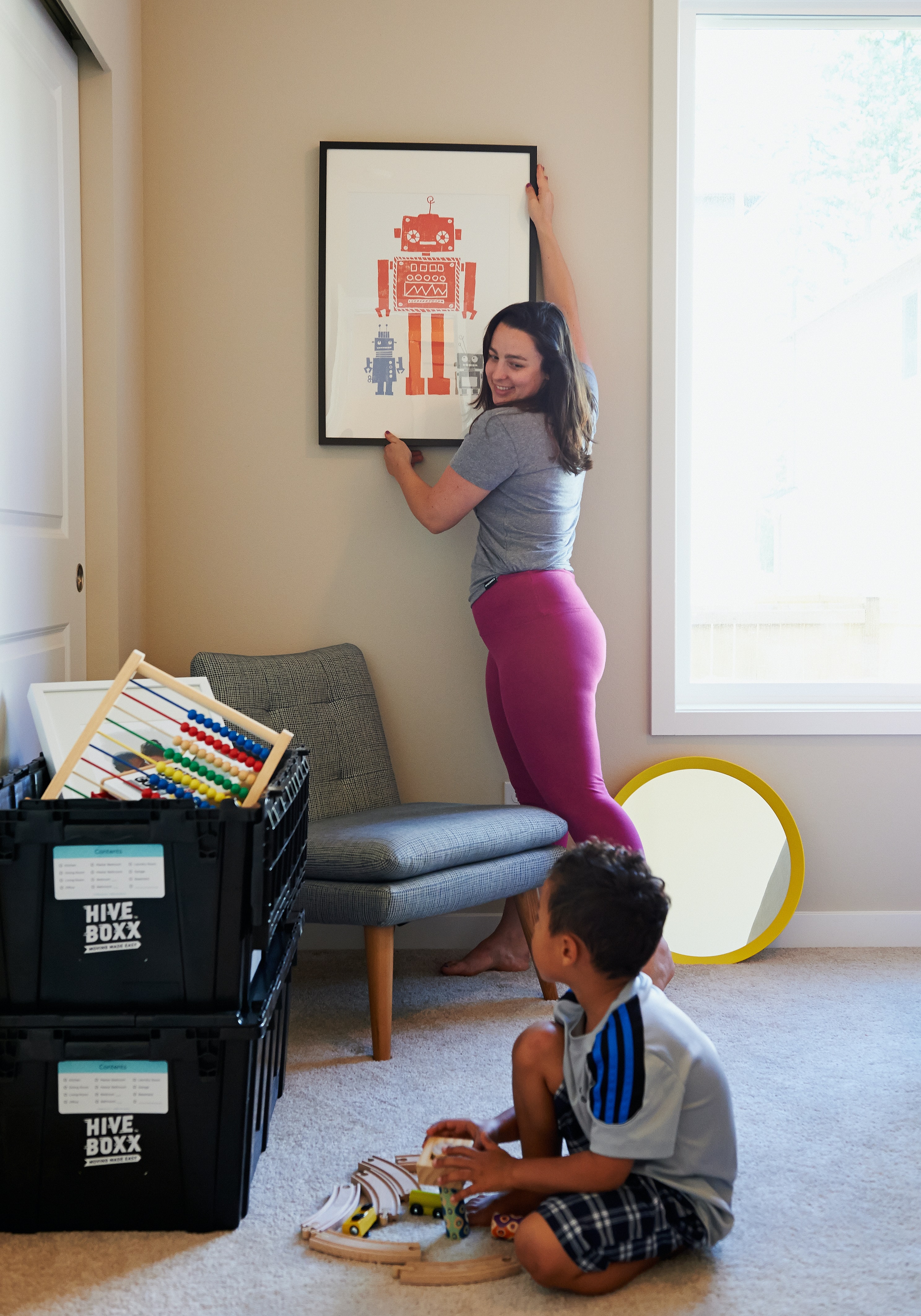
If moving isn’t hard enough, adding children can present a new challenge. Significant changes like big moves can be challenging to work through if children aren’t prepared for them. Depending on their age, your children will have different challenges when moving, such as leaving behind friends or a sports club. Instead of hoping for the best and blindly moving, you can follow these simple steps to help prepare your children for the big move.  

1. Talk About Your Move. 

Once you’ve decided to move, you should speak with your children. If you wait until it is time to start packing up their rooms and move across town or across the country, they may feel like they’ve had a bombshell dropped on them. Give them a chance to speak about their feelings and help them work through them. The best course of action is to be honest with them. 

2. Find ways to get your children involved in your new neighborhood. 

Bring them along while touring potential homes. Let them explore your potential new neighborhood. Find activities in the new area your children will enjoy, perhaps a park or local libraries, pools, or playgrounds. Helping them feel familiar with their new home will make the move more comfortable.  

3. Research Ahead of Time. 

This will help you and your children have more peace of mind when making a big move—research parent groups, kid outings, and Facebook groups that could work for your family. Create a shortlist of places you think will fit your lifestyle, and then conduct as much research as you need to decide when you arrive in your new home. 

From Renting to Homeownership in Texas 

Renting in Texas can be difficult, but so can start searching for a new home. With Beyond 404 Realty, Anthoney Hanks helps families and individuals find their dream homes in the Dallas-Fort Worth community. Anthony specializes in working with first-time homebuyers in Texas and those looking to purchase investment properties in Texas. Anthoney will teach you how to become a homeowner, stop renting, and start buying! Visit www.beyond404realty.com for more information or visit our YouTube page for short videos on starting the home buying process at https://www.youtube.com/channel/UCmzTlxpC6-nJWXsphoqhPZw We can’t wait to work with you.  

Five Tips for Buying a Condo

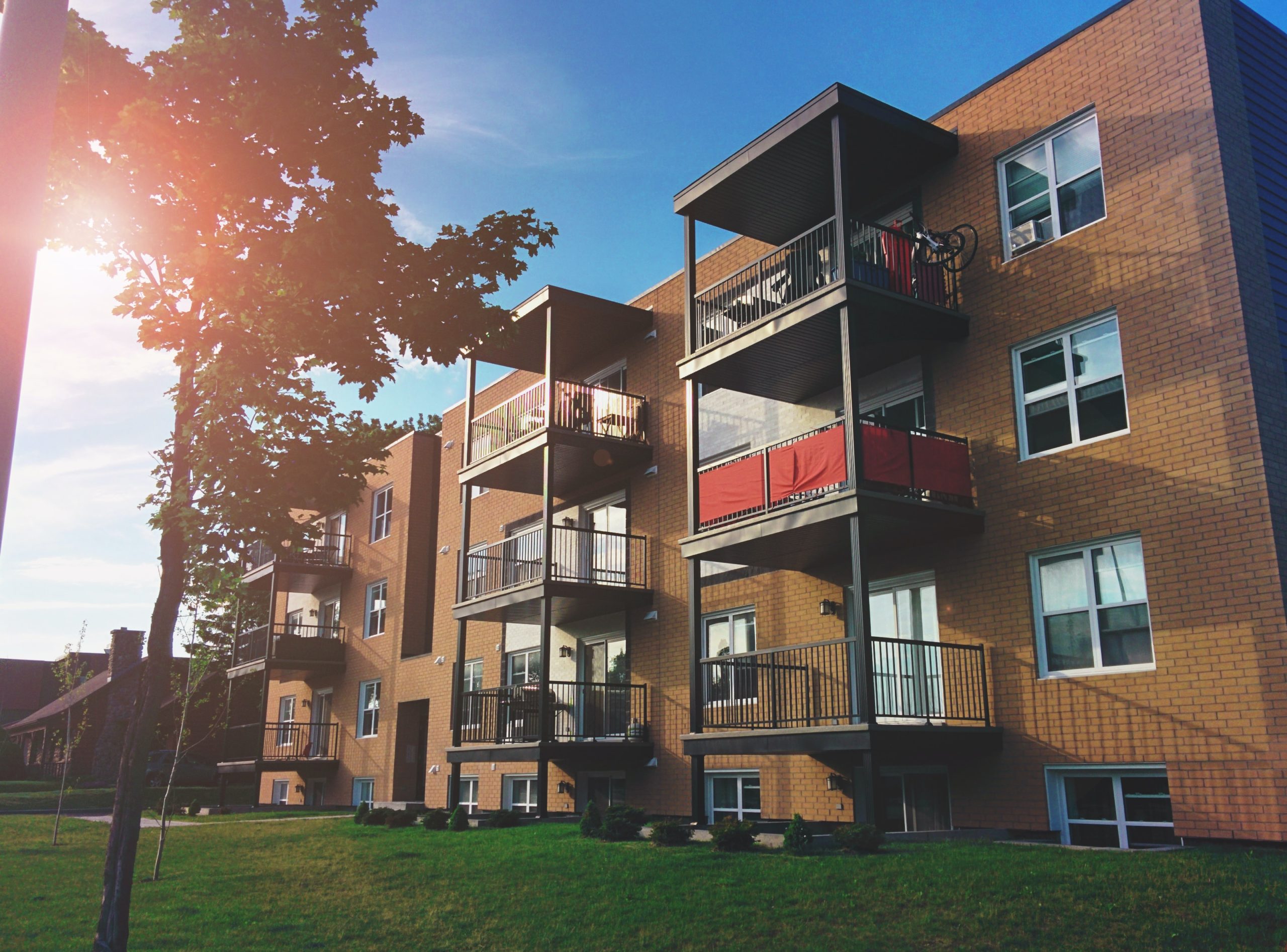
Buying a Condo

Buying a condo is often the perfect alternative to renting an apartment. Although it is a property purchase, it is vastly different from purchasing a single-family or stand-alone home. A condo gives you all the perks of homeownership without the tasks often associated with caring for a home-like, mowing the lawn, raking leaves in the fall, cleaning the gutters or shoveling snow. Condos are an excellent compromise for those who are ready to own their own place but not ready for the full maintenance involved. 

What is a condo? Condo is short for condominium – typically an apartment-style building or townhouse in a subdivision or neighborhood. You own a portion of the property, one unit. Common areas, including gardens or a clubhouse, are often associated with condo developments that are accessed by all members or owners of the condo association. Monthly fees collected called management dues or HOA fees are used to maintain common areas and landscaping. Does this sound like something you could see yourself and your family enjoy? Here are five tips for buying your first condo and ensuring a smooth transaction with minimal stress! 

Decide if a Condo is Right for You 

Before you jump all in on buying a condo, you need to ensure that owning and living in a condo will fit you and your loved ones’ lifestyles. Consider the fact that even though you are no longer responsible for exterior maintenance at your home, you also don’t have the privacy outdoors afforded to single-family homes. Also, consider the fact that you WILL be sharing a wall or walls with your neighbors. If sharing a wall or multiple walls with a neighbor doesn’t seem like a good fit for you, you should move your search to single-family homes.  

Prepare for HOA Fees and other Neighborhood Politics  

Living under one large roof can cause some problems with neighbors. Disagreements will happen surrounding the association, how the money should be allocated, the cost of the HOA fees, frequency, and debates on big maintenance projects. Before you buy a condo, make sure you are aware of the inner workings of homeowners associations and if that seems like something you are willing to join. You also need to plan for the monthly, quarterly, or annual HOA fees and make room for that in your home budget. 

Find a Realtor that is Familiar with Condos 

Once you’ve decided you want to buy a condo, the next step is to find an agent who understands the condo landscape and has your best interests in mind when purchasing a condo. You will want to find an agent who understands the ins and outs of the condo world and what life in a condo association might include.  

Decide What Amenities You Want 

Not all condos are created equal. Each condo development will have different amenities and positives. The amenities in one condo development might not be what are right for you, but the condo development on the other side of town might be a perfect fit! Do you want amenities such as a pool, gym, or playground? Make sure you make this clear to your real estate agent when you are beginning the condo search process. 

Research 

Research is easily the most important thing you can do when buying a condo: Research the property maintenance company, the area and the rules and regulations of the condo association. Figuring out the day to day inner workings of the condo development are essential to avoid surprises down the road when questions or problems arise.  

 Homeownership in Texas 

With Beyond 404 Realty, Anthoney Hanks helps families and individuals in the Dallas-Fort Worth community find their dream home. Anthony specializes in working with first-time homebuyers in Texas and those looking to purchase investment properties in Texas. Anthoney will teach you how to become a homeowner, stop renting, and start buying! Visit www.beyond404realty.com for more information or visit our YouTube page for short videos on starting the home buying process https://www.youtube.com/channel/UCmzTlxpC6-nJWXsphoqhPZw We can’t wait to work with you.  

How to Know You’ve Found The Perfect Home

One of the best parts about working in real estate is watching the joy and excitement on your clients’ faces when they finally find “the one.” The biggest reward comes on the closing day when all the papers are signed, and we know we have done our job in finding the perfect home for our clients. Sometimes though, our clients wonder how they can tell if they really have found “the one” or if it’s just meeting some of their needs. Here are a few ways to know if you have found your forever home. 

1. It meets most or all of your “must-haves.” 

Most buyers start their search by making a list of their “must-haves.” This includes things like location and school districts, number of bedrooms, etc. Finding a home that checks off every box is hard – but not impossible! 

2. Your Family Loves it 

There will always be a difference of opinions regarding home-buying, especially with your loved ones, but “the one” should feel right enough that even your family loves it. However, they want to completely repaint the bedrooms. 

3. You Imagine a Life There 

Are you thinking about your life for years to come? Do you fantasize about cooking dinner or hanging out with friends there? These are great signs! 

4. You don’t want to leave 

You stay longer at your private showing than at other houses, and you can’t wait to return again. This is the best sign of them all, and it sounds like you might be ready to make an offer! 

From Renting to Homeownership in Texas 

Renting in Texas can be difficult, but so can start searching for a new home. With Beyond 404 Realty, Anthoney Hanks helps families and individuals in the Dallas-Fort Worth community find their dream home. Anthony specializes in working with first-time homebuyers in Texas and those looking to purchase investment properties in Texas. Anthoney will teach you how to become a homeowner, stop renting, and start buying! Visit www.beyond404realty.com for more information or visit our YouTube page for short videos on starting the home buying process at https://www.youtube.com/channel/UCmzTlxpC6-nJWXsphoqhPZw We can’t wait to work with you.  

Becoming a Rising Real Estate Star

Real Estate Agent

Are you thinking about becoming an agent or have more interest in how we run our operations at Beyond 404 Realty? This six-step article will walk you through starting your career or continuing it with us. 

**Please verify all current rules/information independently.** 

Step 1 – Sales Agent Real Estate Course 

You’ll need to enroll in the real estate Sales Agent course either online or in person. At the end of the course, you’ll take a test that you need to pass in order to qualify for the state exam. 

Step 2 – Study For The Texas Real Estate Exam 

Everyone has a different way of studying. Find what methods work for you, take practice tests, and talk with others who may have recently passed the state exam for tips.  

Step 3 – Texas Real Estate Exam  

Schedule your test with the state. The real estate class you took prior to this point will guide you on how to find testing facilities and links to the online scheduler.  

Step 4 – Real Estate License Application 

You’ve passed! Now it’s time to apply for your license online through the Real Estate Commission. Your application is usually processed within a week or two. A few requirements: you must be a US citizen, be 18+ years old, hold a high school diploma or equivalent and pass a background check. 

Step 5 – Join a Brokerage 

You will need to join a real estate brokerage in order to start practicing. Every company is different. Some have hundreds of agents, and others have just a handful like us. Some take a higher percentage of your commission and charge fees for utilizing staff, while others don’t. Make sure to interview with at least two brokerages to get a feel for what might fit your career. 

Step 6 – Start Selling! 

When should you expect to start making money? Everyone is different! Some work full-time in real estate even while having another job in the beginning. Many travel pretty far to sell homes just to get the experience, doing whatever is needed to succeed because they are fully invested in making this their sole career. Not everyone is going to want that type of life for themselves, and that’s okay. Get out there and make this the career that you want and make it work for you. 

Anthoney Hanks, our designated broker, is an open book and welcomes messages/calls/emails with questions, especially about what Beyond 404 Realty offers to new and experienced agents! 

Spring Cleaning – Getting Rid of the Excess

Spring Cleaning Texas

Whether you are trying to sell your home or have already purchased a new one, one of the first things that tend to cause stress is the fear of packing all of your stuff. It doesn’t matter if you’ve been in your current home or apartment for one year or several years; you probably have plenty of things you use and love and even more items you haven’t even looked at since you bought them. Moving is the perfect time to purge those items and start fresh in your new home with less clutter. Here are some of the things you’ll save when you let go: 

Save Time  

Start sorting through your items now instead of waiting until you’re ready to move. Sell, donate, or trash the things that don’t have a place in your future home. When you’re ready to pack up for your move, you’ll save so much time. 

Save Money  

Some of the stuff you’re considering letting go of could be worth money. Consider having a garage sale or selling your clothes online on sites like Ebay or Poshmark. Donate whatever you don’t sell  to Goodwill or the Salvation Army.  You may be able to fit whatever you have left into a smaller moving truck, saving you even more money on top of your earnings from selling items. 

Save Space  

Instead of taking the clutter from your current place into your new home, save your energy by getting rid of it now. Open spaces in your new home will bring you peace of mind and joy. 

From Renting to Homeownership in Texas 

Renting in Texas can be difficult, but so can start searching for a new home. With Beyond 404 Realty, Anthoney Hanks helps families and individuals in the Dallas-Fort Worth community find their dream home. Anthony specializes in working with first-time homebuyers in Texas and those looking to purchase investment properties in Texas. Anthoney will teach you how to become a homeowner, stop renting, and start buying! Visit www.beyond404realty.com for more information or visit our YouTube page for short videos on starting the home buying process at https://www.youtube.com/channel/UCmzTlxpC6-nJWXsphoqhPZw We can’t wait to work with you.  

What is a Mortgage Origination Fee?

Mortgage Origination Fee

What is a mortgage origination fee, and who must pay it? Many first-time buyers are confused when they see that line item on the final closing documents and wonder what it’s for and why it’s essential. Mortgage origination fees are fees that a lender adds to the loan to make money for the services they provide. Many lenders charge smaller origination fees and, in turn, process a higher number of loans. In contrast, other lenders or financial institutions charge a much larger origination fee and thereby process a smaller amount of loans per month – neither is right nor wrong. This article will discuss what you need to know about how the origination fee on your mortgage works, how much it costs, and whether you can negotiate it with your lender. 

What Is A Mortgage Loan Origination Fee? 

It is the fee that lenders charge for originating or creating and processing your home loan and all that comes along with that process. The fee covers many services that the lender provides, such as processing, underwriting, and other staff involvement. Some lenders will break the charges down for you to show exactly which process is being charged.  

How Much are Loan Origination Fees? 

Typically, the origination fee is somewhere between 0.5% – 1% of the total loan amount. Here is an example of what you might see. 

Total estimated origination charges could have the following breakdown from your lender: 

  • Courier fee: $50 
  • Document preparation fee: $450 
  • Processing fees: $596 
  • Tax service processing fee: $125 
  • Underwriting fees: $628 

When Do You Pay for the Mortgage Origination Fee? 

Typically, this fee is paid alongside the down payment and any other closing costs at the closing of your home. Your lender will reach out to you and let you know how much you owe and then request the payment in the form of a cashier’s check or wire transfer. Many lenders allow borrowers to roll closing costs and the origination fee into the overall price of the loan, which can be an appealing option for young first-time buyers.  

Can You Negotiate the Fee? 

To a point, yes. It is always important to shop around and compare your potential lender to other lenders and see their fees. If the loan origination fee is still too high, you can always speak with your lender to see if there is a way to reduce the cost – although this is never guaranteed. 

Finding the Right Lender 

Selecting a lender is the most vital step you can make. The biggest lender isn’t always the best option for lending. Customer service, locality, and experience matter as well. Speak with your agent to see if there is a particular local lender that they love to work with, who closes on time, is friendly, and has excellent reviews.   

From Renting to Homeownership in Texas 

Renting in Texas can be difficult, but so can start searching for a new home. With Beyond 404 Realty, Anthoney Hanks helps families and individuals in the Dallas-Fort Worth community find their dream home. Anthony specializes in working with first-time homebuyers in Texas and those looking to purchase investment properties in Texas. Anthoney will teach you how to become a homeowner, stop renting, and start buying! Visit www.beyond404realty.com for more information or visit our YouTube page for short videos on starting the home buying process at https://www.youtube.com/channel/UCmzTlxpC6-nJWXsphoqhPZw We can’t wait to work with you.  

Foreign Buyer Guide to Texas

Moving to Texas

Uprooting your life and moving from your home country to America can seem like an impossible challenge with endless questions. According to the National Association of Realtors, in the United States, foreign buyers make up a considerable percentage of buyers, totaling more than $54 billion in sales between 2020 and 2021. If you are one of the many foreign buyers looking to plant your roots in Texas, this article is for you! During this article, we will review the basics of the American real estate market and some tips and tricks we have learned along the way. 

How do Real Estate Purchases Work in the United States? 

To purchase a property in the United States, you first need to understand the basics of how the American real estate market operates. The following gives an example of how real estate transactions develop in Texas.  

Brokerage Fees and Commissions 

In most countries, maybe even the one you are coming from, it is normal and expected to pay a fee to have a real estate agent helping you in your home search and during the contract process. In The United States and throughout Texas, the commission to the agent(s) is most cases paid by the seller of the property and then divided between the buyer’s agent and the seller’s agent.  

Agent Education Requirements 

Real estate agents and brokers must have a license and meet education requirements to operate their businesses. Both the state and federal governments closely regulate this. 

Multiple Listings Service or MLS 

In Texas, the MLS system is used by agents and prospective buyers to access information provided to sites such as Realtor.com, Zillow, and Trulia. Agents share data to MLS then that information is transmitted to the consumer sites noted above. 

Who Do You Need to Connect With and Why? 

Finding Your Agent 

According to realtor.com, more than half of all recent homebuyers first found their home through the internet on a listings site like realtor.com®, nearly all (9 in 10) purchased their home through a real estate agent. Finding an agent that you connect with is a big deal. You will be working with this agent for months and want to make sure they understand you and your needs. Oftentimes, interviewing your top choices and picking one agent is the best option. Building that solid connection makes it easier for your agent to find your perfect home faster! 

Connecting with a Lender 

After choosing an agent, selecting a lender is the next most vital step you can make. The biggest lender isn’t always the best option when it comes to lending. Customer service, locality, and experience matter as well. Speak with your agent to see if there is a particular local lender that they love to work with, who closes on time, is friendly, and has excellent reviews. To purchase a property within the United States, you will need to connect with a lender or financial institution to assist you with the loan or processing your cash payment to the home. 

Calculating the Cost – Money Breakdown 

Save for a Down Payment  

Do first-time homebuyers need a down payment? If so, how much? This varies by situation and area. Your down payment will ultimately depend on what type of mortgage you and your lender settle on and how good your credit score is. Down payments can be as little as 3% of your total purchase price up to 20% in a traditional loan. You can speak to your lender or real estate agent about first-time home buyer loans and first-time homebuyer programs to see if you qualify. 

Get a Preapproval Letter 

Getting a preapproval letter from the mortgage institution you are working with is vital in this market. The letter is provided by your loan office stating that you are prequalified to purchase a home up to a specific price. A preapproval letter lets your real estate agent and other agents representing the sellers know that you are a serious buyer. 

Earnest Deposit(s) and Down Payments 

Increasing your down payment or increasing the amount of earnest money you provide shows everyone that you’re serious and that this is something you truly want. This can be something that a seller would favor over a lower down payment. If you’re in the situation to do so, a 100% cash offer will help you stand out even more above the rest of the offers. This gives sellers the guarantee that your offer will go through and not have financing issues.  

What are Closing Costs? 

Closing costs are made up of the fees associated with buying your home and paid at closing. The charges are made up of fees relating to the mortgage, including the appraisal, title work, paperwork, attorney fees, and the expense of underwriting your loan. These closing costs can be paid at the closing table by check and are separate from your down payment or earnest deposit.  

How are the Closing Cost Fees Calculated? 

Typically, home buyers will pay between about 2 to 5 percent of the purchase price of their home in closing fees, with the average buyer paying roughly $3,700 in closing fees, according to a recent survey https://www.bankrate.com. These costs vary widely from city to city and between states as the average costs of homes look very different depending on the region that you live in. Your lender will be able to give you a rough estimate on what your closing costs will be once your offer gets accepted and your loan begins processing, so there are no surprises at the closing table. As mentioned at the beginning of the article, days before the closing, your lender will provide you with a draft copy of the closing disclosure statement, which outlines fees and final payments due. 

How Much Should You Plan on Saving? 

This depends on what your home budget is. Take your projected home price and plan on saving at least the additional 5%, if not more; that way, you have extra money for other things that might pop up before closing, like buying a new couch or upgrading the security system.  

What Is A Mortgage Loan Origination Fee? 

By definition, it is the fee that lenders charge for originating or creating and processing your home loan and all that comes along with that process. The fee covers many services that the lender provides, such as processing, underwriting, and other staff involvement. Some lenders will break the charges down for you to show exactly which process is being charged.  

Total origination charges will breakdown from your lender: 

  • Courier fee 
  • Document preparation fee 
  • Processing fees 
  • Tax service processing fee 
  • Underwriting fees 

When Do You Pay for the Mortgage Origination Fee? 

Typically, this fee is paid alongside the down payment and any other closing costs at the closing of your home. Your lender will reach out to you and let you know how much you owe and then request the payment in the form of a cashier’s check or wire transfer. Many lenders allow borrowers to roll closing costs and the origination fee into the overall price of the loan, which can be an appealing option for young first-time buyers.  

What do You Need to Buy a Property in the United States as a Non-Citizen? 

  • social security number or Individual Taxpayer Identification Number 
  • valid foreign passport, a U.S. visa, or a valid driver’s license 
  • bank statements  
  • proof of reserves from your bank 
  • pay stubs from your current employer 

Should You Purchase the Property in Your Name? 

Foreign investors and owners can purchase a home or other property directly in your name or through a business entity, like a domestic corporation or limited partnership. Speak with your agent to see which choice might be right for you. 

Can You Pay Cash for Your Property? 

Yes, all-cash purchases of property are allowed in the United States, although the government does mandate that all cash transactions over $10,000 be reported.  

Understand Closing Time Frames  

Once you are under contract with your future home, your agent will be your most valuable guide in the next few months. Keep in mind that the time frame from offer acceptance to closing is different in every situation. Typically, it is about 30-40 days from start to finish. Consult with your agent for a list of deadlines and other important dates in your contract. 

When Does the Final Walkthrough Happen? 

The final walkthrough happens just before the closing of your home. Typically, they take place the day before or the day of closing. They happen so close to closing that you have time to go through the home right before you buy it to make sure nothing is out of place. If they happened weeks before the closing, there could be time for damage to occur at the home. Conducting the walkthrough as close to closing is vital if you find something wrong with the house.  

Once that is completed, you will receive a closing date, time, and location of where the final loan documents and deed will be signed by both you as the buyer and the seller to finalize the sale of the property. You do not need to attend this closing in person if prior arrangements have been made; this includes appointing a power of attorney or signing the documents then delivering them via overnight shipping. 

Homeownership in Texas 

 With Beyond 404 Realty, Anthoney Hanks helps families and individuals in the Dallas-Fort Worth community find their dream home. Anthony specializes in working with first-time homebuyers in Texas and those looking to purchase investment properties in Texas. Anthoney will teach you how to become a homeowner, stop renting, and start buying! Visit www.beyond404realty.com for more information or visit our youtube page for short videos on starting the home buying process at https://www.youtube.com/channel/UCmzTlxpC6-nJWXsphoqhPZw We can’t wait to work with you.  

First-time Home Buyers – Questions Unmarried Couples Should Be Considered

Buying a Home While Dating

Are you one of the 17 million unmarried couples living together, according to the United States Census Bureau? Are you considering making a move to buy a home together before you head down to the altar? If so, this article is for you! According to https://www.bankrate.com/, unmarried couples made up 9% of homebuyers in 2020. That number is growing every year, with more and more couples looking to solidify their relationship in ways other than with wedding bands. When considering buying a home with your partner, not your spouse, a different set of rules and questions apply to the process – how so?  

Laws for Unmarried Joint Property Owners 

If you and your partner live together long enough in some states, your relationship can be classified as “common law marriage” what does that mean? According to one state, the definition for common law marriage is as follows: 

A common law marriage is a legally recognized marriage between two people who have not purchased a marriage license or had their marriage solemnized by a ceremony.  

Common-law marriage is recognized in Colorado, DC, Iowa, Kansas, Montana, New Hampshire, Texas, and Utah. In the case of Texas this is what they have to say about the property that belongs to common law married couples.  

“Under Texas law, all property acquired during a marriage (formal or common law) is community property. If a common-law marriage is proved, community property is divided the same as if the parties were formally married. … If no common law marriage is proved, there is no marital property or debts to divide.” 

If you do not live in a common-law marriage state, consider what will happen if you and your partner part ways and your rights to the property you purchased together.  

Who Will Pay the Bills? 

Do you have a joint bank account? Does one partner make a significant amount of money while the other does not? Who is more responsible when it comes to paying bills on time? These questions and more should all be considered when working on figuring out the financial logistics of owning a home together. You will want to lay out an agreement on how you and your partner will pay for routine home expenses such as property taxes, water bills, electricity, and unexpected repairs. There is no right or wrong way to divide the costs as every situation and relationship are different – keep this in mind when discussing the topic with your partner.  

What Happens if One Partner Dies? 

When you are married and live in a state with laws of intestate succession and your deceased partner has no will or children, the courts will deem you, the survivor, the property owner. It is important to note that this is not always a guarantee, so planning for such events as uncomfortable as the conversion is essential.  

A few ways to avoid this are for you and your partner to both have a clear will stating what you want done with your property after your passing or to make sure that the title you have for the home would allow you to own the house after the death of your partner. Tenancy in common and joint tenancy with rights of survivorship will effectively manage a situation where homeowners are partners but unmarried. Tenancy in common – each person owns a percentage of the house, and if they die, their interest in the property goes to their estate, which could be you or their child. Joint tenancy with rights of survivorship dictates that if one person dies, the survivor inherits their share of the property. 

What Else Should You Consider? 

Here are a few more questions you and your partner should discuss.  

  1. Will you both contribute equal amounts to the down payment and closing costs? 
  1. If you sell the property, will the proceeds be split 50/50? 
  1. If you break up, will you allow the other partner to buy you out of the home? 
  1. How will you split HOA fees, taxes, and repair costs? 

The Bottom Line 

Buying a home is a huge step in your life, just like getting married. Just make sure that this is the right move for you, your relationship, and your finances, and know that because you are not married to your partner that if you are to break up, it could complicate the sale of the home and how proceeds are divided. The best thing you can do is ask all the hard questions ahead of time and plan for the unthinkable.  

From Renting to Homeownership in Texas 

Renting in Texas can be difficult, but so can start searching for a new home. With Beyond 404 Realty, Anthoney Hanks helps families and individuals in the Dallas-Fort Worth community find their dream home. Anthony specializes in working with first-time homebuyers in Texas and those looking to purchase investment properties in Texas. Anthoney will teach you how to become a homeowner, stop renting, and start buying! Visit www.beyond404realty.com for more information or visit our YouTube page for short videos on starting the home buying process at https://www.youtube.com/channel/UCmzTlxpC6-nJWXsphoqhPZw We can’t wait to work with you.